
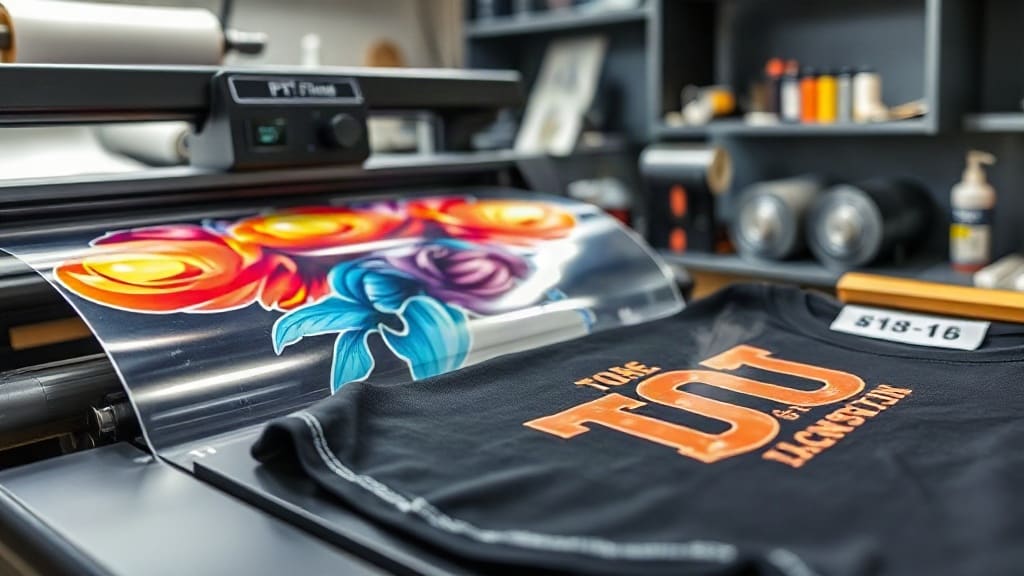
If you've been exploring custom apparel decoration, you've likely encountered DTF printing. Short for Direct to Film, this method has quickly become a favorite among small business owners, hobbyists, and professional printers alike. Unlike traditional screen printing or vinyl cutting, DTF offers a versatile, cost-effective way to produce full-color transfers that adhere to a wide range of fabrics. In this guide, we'll walk you through everything you need to know to get started with DTF printing, from the basic process to advanced tips for flawless results.
What Exactly Is DTF Printing?
DTF printing is a digital printing technology that involves printing a design onto a special PET film, coating it with a hot-melt adhesive powder, and then transferring it onto a garment using a heat press. The process eliminates the need for weeding, masking, or multiple screens, making it ideal for intricate designs with fine details and gradients. Because the design is printed on film first, you can apply it to cotton, polyester, blends, and even nylon, offering unmatched versatility compared to other methods like DTG or sublimation.
Why Choose DTF Over Other Printing Methods?
There are several compelling reasons why DTF printing has gained such traction:
- No color limitations: Unlike screen printing, which requires a separate screen for each color, DTF can reproduce full-color images in a single pass.
- Works on multiple fabrics: From 100% cotton to 50/50 blends and even spandex, DTF adheres well without the need for pre-treatment.
- Cost-effective for short runs: No setup fees or minimum orders make it perfect for small batches and one-offs.
- Durable results: When applied correctly, DTF transfers withstand repeated washing without cracking or fading.
These advantages make DTF a go-to solution for custom t-shirts, tote bags, hoodies, and more.
Essential Materials and Equipment for DTF Printing
Before you dive in, gather the right supplies. Here's what you'll need:
DTF Printer and Inks
A dedicated DTF printer uses special pigment inks (often CMYK plus white) that are formulated to bond with the adhesive powder. While you can convert some inkjet printers, purpose-built DTF printers yield more consistent results.
PET Film
The film must be coated to accept the ink and release it cleanly during transfer. Look for double-sided matte or gloss film designed specifically for DTF.
Adhesive Powder
This thermoplastic powder melts and creates a bond between the ink and fabric. It comes in fine and coarse grades; finer powder is better for detailed designs.
Heat Press
A commercial heat press capable of reaching 325°F (160°C) with consistent pressure is essential. You'll also need a way to cure the powder, often done with a heat gun or in an oven.
Step-by-Step DTF Printing Process
Here's a simplified workflow to help you get started:
- Design preparation: Create or import your artwork into RIP software. Mirror the image so it reads correctly when transferred.
- Printing: Load the PET film into your printer and print the design using DTF inks. Ensure the white ink layer is printed correctly for opacity.
- Powder application: While the ink is still wet, sprinkle adhesive powder evenly over the print. Shake off excess.
- Curing: Melt the powder using a heat source until it becomes glossy. This usually takes 2-3 minutes at 320°F (160°C).
- Transfer: Place the cured film on your garment and press at 325°F for 15-20 seconds with medium pressure. Peel the film while hot or cold, depending on the film type.
With practice, you'll develop a rhythm and be able to produce transfers quickly.
Common Challenges and How to Overcome Them
Even seasoned printers encounter issues. Here are some common problems and solutions:
- Ink bleeding or smudging: Ensure your printer settings are correct and the film is compatible. Sometimes adjusting the ink density helps.
- Powder not sticking: Humidity can affect adhesion. Work in a dry environment and use fresh powder.
- Cracking after washing: This often indicates insufficient pressure or incorrect temperature during transfer. Calibrate your heat press regularly.
- Dull colors: Make sure you're using high-quality DTF inks and that the white layer is sufficient.
Don't get discouraged; troubleshooting is part of the learning curve.
Tips for Professional-Quality DTF Transfers
To elevate your DTF game, consider these expert tips:
- Use a RIP software: It optimizes ink limits and color profiles, ensuring vibrant prints.
- Maintain your printer: Regular cleaning prevents clogged nozzles and inconsistent output.
- Test different fabrics: Each fabric may require slight adjustments in pressure or temperature.
- Store transfers properly: Keep unused films in a cool, dry place to prevent powder from absorbing moisture.
Frequently Asked Questions About DTF Printing
How long do DTF transfers last?
When applied correctly, DTF transfers can last as long as the garment itself, often 50+ washes without significant fading or cracking. Proper washing inside out in cold water and avoiding bleach will extend longevity.
Can I use DTF on dark and light fabrics?
Absolutely. DTF works on both dark and light fabrics because the white ink layer provides a base for the colors to pop. This is a major advantage over DTG, which may require pre-treatment on dark shirts.
What's the difference between DTF and DTG?
DTF involves printing on a film and transferring, while DTG (Direct to Garment) prints directly onto the fabric. DTF is more versatile across fabric types and doesn't require pre-treatment, but DTG can be more cost-effective for 100% cotton in large volumes.
Do I need a special printer for DTF?
While you can convert some inkjet printers, dedicated DTF printers are designed to handle the unique demands of DTF inks and film. They offer better reliability and print quality.
How do I store DTF transfers?
Store them flat in a cool, dry place, away from direct sunlight and moisture. Proper storage prevents the powder from clumping and ensures they remain ready to use.
With the right knowledge and a bit of practice, DTF printing can open up a world of creative possibilities for your apparel business or personal projects. Start experimenting, and you'll soon see why this technology is revolutionizing the custom printing industry.