
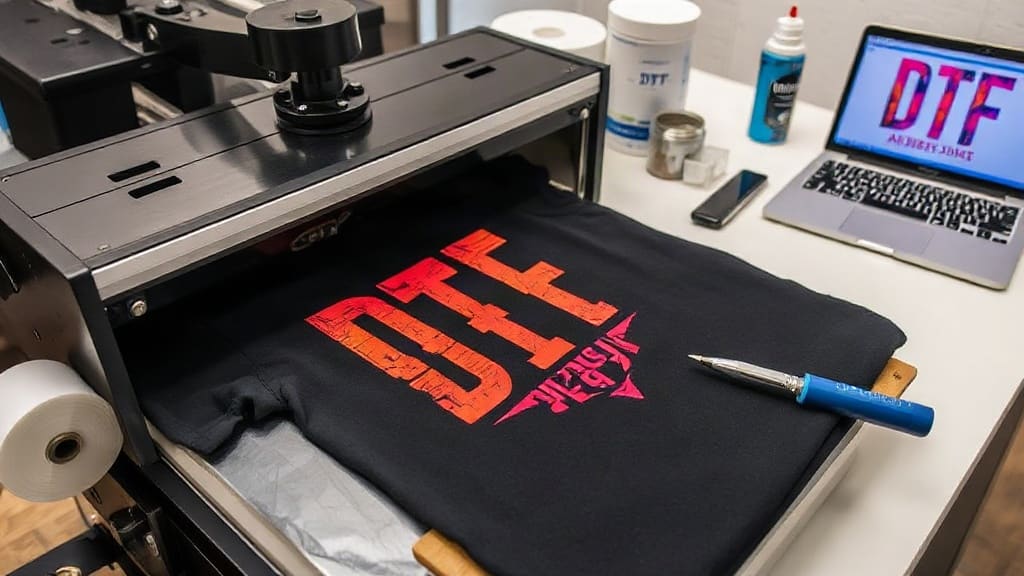
If you've been exploring custom apparel printing, you've likely encountered DTF Transfers. This innovative technology has rapidly gained popularity for its versatility and vibrant results. Unlike traditional methods that require specific fabric types, DTF transfers open up a world of possibilities for printing on cotton, polyester, blends, and even tough-to-print materials like nylon and leather. In this guide, we'll walk you through everything you need to know to get started with DTF transfers, from the basic process to advanced tips for flawless prints.
What Are DTF Transfers?
DTF stands for Direct to Film. It's a printing method where your design is printed onto a special PET film using DTF inks, then coated with a hot-melt adhesive powder. Once the powder is cured, the transfer is ready to be applied to fabric using a heat press. The result is a soft, stretchable print that bonds permanently to the garment.
What sets DTF apart from other techniques like DTG or screen printing is its ability to produce full-color designs without color limitations, and it works on a wide range of fabrics. Plus, DTF transfers don't require weeding or masking, making them a favorite for both small businesses and hobbyists.
Why Choose DTF Transfers?
There are several compelling reasons to consider DTF transfers for your printing projects:
- Versatility: Works on cotton, polyester, blends, and even non-traditional fabrics like leather and nylon.
- Vibrant colors: DTF inks produce bright, opaque prints without the need for multiple screens.
- No pre-treatment: Unlike DTG, DTF doesn't require pre-treating the garment, saving time and effort.
- Durability: When applied correctly, DTF prints withstand repeated washing without cracking or fading.
- Cost-effective for short runs: Ideal for small batches and personalized items, with minimal setup costs.
The DTF Transfer Process Step by Step
Understanding the workflow is key to achieving professional results. Here's a breakdown of the DTF process:
1. Design Preparation
Start with a high-resolution image. DTF printing can handle intricate details, but low-quality images will still look pixelated. Use design software to prepare your artwork, ensuring it's mirrored (flipped horizontally) before printing. This is crucial because the transfer is applied face-down onto the fabric.
2. Printing
Load the DTF film into your printer. DTF printers use specialized pigment inks (CMYK plus white). The white ink layer is printed first, followed by the color layers. This white base ensures the colors pop on dark garments. After printing, the film is dusted with adhesive powder and cured in an oven or with a heat gun until the powder melts and becomes glossy.
3. Transfer Application
Set your heat press to the recommended temperature (usually 300-325°F / 150-160°C) and pressure (medium to high). Place the transfer face-down on the garment, cover with a Teflon sheet or parchment paper, and press for 10-15 seconds. Peel the film while it's still hot (hot peel) or after it cools (cold peel), depending on the film type.
4. Post-Pressing
For added durability, some experts recommend a second press for 5-10 seconds with a cover sheet. This helps the adhesive fully bond with the fabric fibers.
Common DTF Transfer Issues and How to Fix Them
Even with experience, you might run into problems. Here are some common issues and their solutions:
Print Cracking or Fading After Wash
This usually indicates insufficient pressure or temperature during application. Ensure your heat press is calibrated and apply consistent pressure. Also, verify that the adhesive powder was fully cured.
Colors Look Dull
If colors appear muted, check the white ink layer. Without a sufficient white base, colors can look washed out, especially on dark fabrics. Increase the white ink density in your printer settings.
Transfer Peels Off
If the transfer lifts after peeling, it might be due to incomplete cooling (for cold peel) or too low temperature. Try pressing at a higher temperature or for a longer time. Also, ensure the garment is free of wrinkles and moisture.
Film Jam or Misfeed
This can happen if the film is not loaded correctly or if the printer's rollers are dirty. Clean the rollers regularly and use high-quality DTF film to prevent jams.
Choosing the Right DTF Supplies
The quality of your supplies directly impacts your results. Here's what to look for:
- DTF Film: Opt for double-sided matte film for better ink absorption and powder adhesion.
- DTF Inks: Use reputable brands that offer vibrant colors and reliable white ink.
- Adhesive Powder: Choose a fine, consistent powder that melts evenly. TPU-based powders are popular for their elasticity.
- Heat Press: A good heat press with accurate temperature and pressure control is essential.
DTF Transfers vs. Other Printing Methods
How does DTF stack up against DTG, screen printing, and vinyl?
- DTG: Great for cotton, but requires pre-treatment and can be less vibrant on dark colors. DTF works on more fabrics and often has better durability.
- Screen Printing: Cost-effective for large orders but requires setup per color. DTF is better for detailed, multi-color designs and short runs.
- Vinyl: Limited to simple designs and solid colors. DTF allows full-color complexity without weeding.
Tips for Perfect DTF Transfers
- Test your settings: Every heat press is different. Run test prints to dial in temperature, pressure, and time.
- Store transfers properly: Keep unused transfers in a cool, dry place away from direct sunlight to prevent premature curing.
- Use a lint roller: Before pressing, remove lint and dust from the garment to ensure proper adhesion.
- Pre-press the garment: This removes moisture and wrinkles, creating a smooth surface for the transfer.
- Follow the film's instructions: Hot peel vs. cold peel can vary by brand. Always check the manufacturer's recommendations.
Frequently Asked Questions About DTF Transfers
How long do DTF transfers last?
With proper application and care, DTF transfers can last as long as the garment itself. They withstand dozens of washes without significant fading or cracking.
Can I use DTF transfers on dark colors?
Absolutely! DTF transfers include a white ink layer that makes colors vibrant on both light and dark fabrics.
Do I need a special printer for DTF?
Yes, you need a DTF printer that uses DTF inks and can handle PET film. However, you can also buy pre-printed transfers from suppliers if you don't want to invest in a printer.
What fabrics work best with DTF?
DTF works on almost any fabric, including cotton, polyester, blends, nylon, and leather. It's one of the most versatile printing methods available.
Is DTF printing cost-effective?
For small to medium runs, DTF is very cost-effective because there's no minimum order and minimal setup. For large runs, screen printing might be cheaper, but DTF offers more design freedom.
With this guide, you're well on your way to mastering DTF transfers. Remember, practice makes perfect, so don't be afraid to experiment and refine your process. Whether you're a hobbyist or a business owner, DTF can elevate your custom apparel game.