
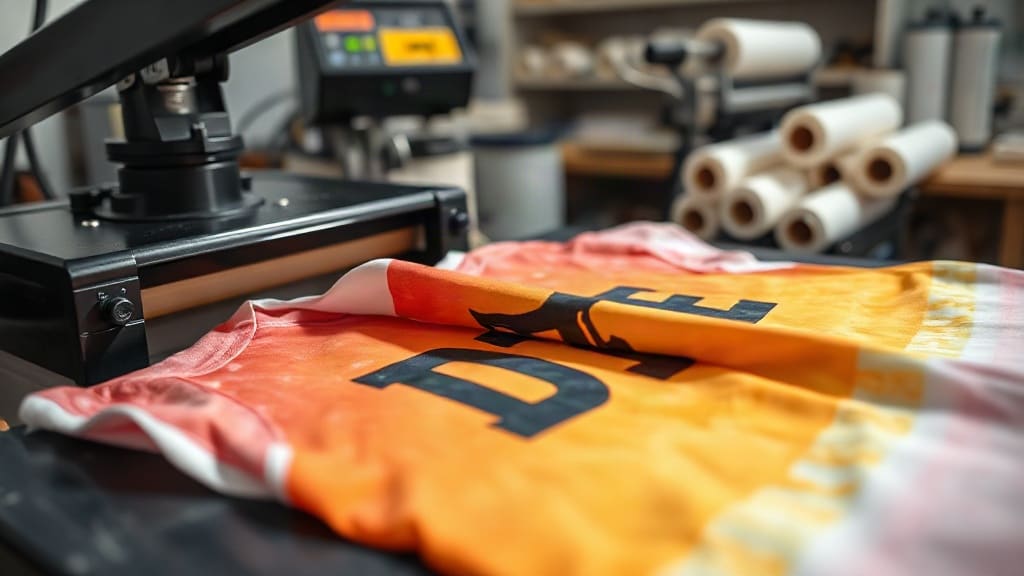
Imagine pressing a vibrant, full-color design onto a cotton t-shirt in minutes, with no weeding, no color limitations, and no expensive equipment. That's the promise of DTF Transfers, a printing technology that has taken the custom apparel world by storm. Whether you're a small business owner, a hobbyist, or a professional printer, understanding DTF transfers can open up a world of possibilities for creating high-quality, durable custom gear.
What Are DTF Transfers?
DTF stands for Direct-to-Film. Unlike DTG (Direct-to-Garment) or screen printing, DTF transfers involve printing your design onto a special PET film using a DTF printer. The design is printed with water-based inks, then a hot-melt adhesive powder is applied while the ink is still wet. After curing, the transfer is ready to be heat-pressed onto a variety of fabrics. The result is a soft, stretchable, and highly durable print that can handle intricate details and gradients with ease.
The DTF Printing Process Step by Step
Curious about how a DTF transfer comes to life? Here's a breakdown of the key steps:
- Design Preparation: Your artwork is prepared digitally, with colors inverted if necessary (for white ink underbase).
- Printing: A DTF printer lays down white ink as a base, followed by CMYK colors, onto a PET film.
- Powder Application: While the ink is still wet, a thermoplastic powder is sprinkled over the print.
- Curing: The film passes through a curing oven or heat press to melt the powder, creating a flexible adhesive layer.
- Transfer: The film is placed on the fabric and heat-pressed, transferring the design permanently.
Why Choose DTF Transfers Over Other Methods?
DTF transfers offer several compelling advantages that make them a favorite among apparel decorators.
1. Unmatched Versatility
Unlike DTG, which works best on 100% cotton, DTF transfers adhere beautifully to cotton, polyester, blends, and even tough fabrics like canvas and denim. This means you can print on almost any garment without worrying about compatibility.
2. Vibrant Colors and Fine Details
DTF printers use a white ink base, which allows colors to pop even on dark fabrics. The technology also captures fine lines, small text, and photographic gradients with impressive accuracy, making it ideal for complex designs.
3. Durability and Stretchability
Because the adhesive is flexible, DTF prints stretch with the fabric without cracking or peeling. They withstand repeated washing and wearing, maintaining their vibrancy over time.
4. Cost-Effective for Short Runs
Screen printing requires setup costs per color, making short runs expensive. DTF transfers eliminate setup fees, so you can produce one-off items or small batches profitably.
Applications of DTF Transfers
From custom t-shirts to promotional items, DTF transfers are used in a wide range of applications. Here are some popular uses:
- Custom T-Shirts: Perfect for personalized gifts, team uniforms, and event merchandise.
- Hoodies and Sweatshirts: The stretchable print moves with the fabric, ideal for activewear.
- Tote Bags: Add vibrant designs to canvas bags without worrying about fabric type.
- Sportswear: DTF transfers adhere to polyester and spandex, making them great for jerseys and leggings.
- Promotional Products: Branded items like caps and aprons benefit from the durability of DTF.
How to Apply DTF Transfers: A Pro's Guide
Applying a DTF transfer correctly is crucial for a professional finish. Follow these steps for best results:
- Preheat the Fabric: Remove moisture and wrinkles by pressing the garment for a few seconds.
- Position the Transfer: Place the film with the design facing up on the fabric.
- Heat Press: Set your press to 325°F (160°C) with medium pressure for 10-15 seconds.
- Peel: Wait for the transfer to cool completely (cold peel) or peel while hot (hot peel) depending on the film type. Most DTF films are cold peel.
- Post-Press: For extra durability, press again for 5 seconds with a protective sheet.
Always test on a scrap piece first to dial in your press settings.
Common Challenges and How to Overcome Them
Even with a straightforward process, issues can arise. Here are solutions to common DTF problems:
- Insufficient Adhesion: Increase pressure or temperature, or ensure the fabric is clean and dry.
- Cracking: Over-stretching the print before cooling can cause cracks. Allow the print to cool completely before stretching.
- Color Fading: Use quality inks and follow proper curing times. Wash garments inside out in cold water.
- Film Residue: If the film doesn't peel cleanly, it may be under-cured. Increase curing time or temperature.
DTF Transfers vs. Other Printing Methods: A Quick Comparison
To help you decide, here's how DTF stacks up against DTG, screen printing, and vinyl:
- DTG: Best for 100% cotton, no minimums, but colors can be muted on dark shirts. DTF offers brighter colors on any fabric.
- Screen Printing: Cost-effective for large runs, but setup costs and color limitations. DTF is better for detailed, multi-color designs and short runs.
- Vinyl: Great for simple text and shapes, but not for complex images. DTF handles full-color graphics effortlessly.
Frequently Asked Questions About DTF Transfers
How long do DTF transfers last?
With proper application and care, DTF transfers can last as long as the garment itself. They withstand 50+ washes without significant fading or cracking when washed inside out in cold water and tumble dried on low.
Can I use DTF transfers on 100% polyester?
Yes! DTF transfers work exceptionally well on polyester and polyester blends. The low-temperature application prevents scorching, and the flexible adhesive moves with the fabric.
Do I need a special printer for DTF transfers?
You need a DTF printer that uses pigment inks and a white ink channel. However, you can also buy pre-printed DTF transfers from suppliers and apply them with a standard heat press.
What is the best temperature for pressing DTF transfers?
The ideal temperature is 325°F (160°C) with medium pressure for 10-15 seconds. Always check the manufacturer's recommendations for your specific film and ink.
Can I layer DTF transfers?
Yes, you can layer DTF transfers, but it's best to press each layer separately. Use a lower temperature for subsequent presses to avoid disturbing the underlying layers.
Final Thoughts
DTF Transfers have democratized custom apparel printing, offering professional results without the complexity of traditional methods. Whether you're printing a single shirt or a hundred, DTF delivers vibrant, durable, and versatile results. By mastering the application process and understanding the nuances, you can elevate your custom apparel game and impress your customers. So why wait? Dive into the world of DTF transfers and unleash your creativity.