
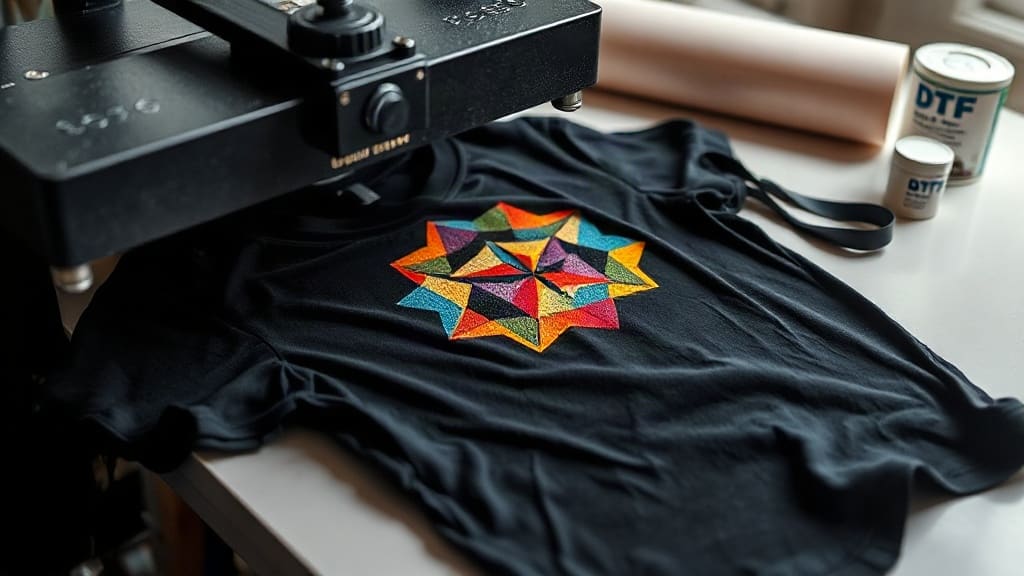
When you first dive into the world of garment decoration, DTF transfers can seem like a magic trick. You print a design onto a special film, sprinkle on some adhesive powder, and with a heat press, it bonds to fabric like it was always meant to be there. But behind that magic lies a set of best practices that separate a print that lasts from one that peels after a few washes. In this guide, we'll walk through everything you need to know to get flawless results with DTF transfers, from choosing the right fabrics to troubleshooting common issues. Whether you're a hobbyist or running a full-scale print shop, these insights will help you elevate your game.
Understanding DTF Transfers: A Quick Primer
Before we dive into fabric selection, let's clarify what DTF transfers actually are. DTF stands for Direct-to-Film. The process involves printing your design onto a PET film using specialized inks, then applying a thermoplastic polyurethane (TPU) adhesive powder while the ink is still wet. After curing, the transfer is ready to be heat-pressed onto a garment. Unlike DTG (Direct-to-Garment), DTF transfers don't require pre-treatment and work on a wide range of fabrics, including cotton, polyester, blends, and even leather. This versatility is why DTF has exploded in popularity among decorators looking for a one-size-fits-all solution.
However, not all fabrics behave the same under heat and pressure. The key to success is understanding how different materials interact with the transfer and adjusting your technique accordingly.
Choosing the Right Fabric for DTF Transfers
The beauty of DTF transfers is that they adhere to almost any fabric, but that doesn't mean you should treat all fabrics equally. Here's what you need to know about the most common options.
Cotton and Cotton Blends
Cotton is the most popular choice for DTF transfers because it's forgiving and widely available. The slightly rough surface of cotton gives the adhesive something to grip, resulting in excellent durability. For 100% cotton, you can expect vibrant colors and a soft hand feel. Cotton-poly blends (like 50/50) also work well, but be aware that the polyester content can cause slight variations in color vibrancy. Always test a small area if you're unsure.
Polyester and Synthetic Fabrics
Polyester is where DTF transfers truly shine. Unlike DTG, which struggles with synthetic fibers, DTF bonds beautifully to polyester. The key is to use lower temperatures to avoid scorching or dye migration. Polyester can also be prone to dye sublimation, where the garment's dye turns into gas and bleeds into the transfer. To prevent this, use a low-temperature adhesive powder and press at around 250°F to 280°F for 10-15 seconds. If you're working with dark polyester, consider a double-layer transfer or a dye-blocking underlay.
Specialty Fabrics: Leather, Canvas, and More
DTF transfers can even adhere to leather, canvas, and denim, but these materials require extra care. Leather, for instance, can be sensitive to heat, so use a lower temperature and a shorter press time. Canvas has a textured surface that may require higher pressure to ensure full contact. Always test on a scrap piece first, as some finishes (like waterproof coatings) can prevent proper adhesion.
Step-by-Step Application: Getting a Perfect Press Every Time
Now that you've chosen your fabric, let's walk through the application process. Following these steps will help you achieve consistent, professional results.
1. Prepare Your Workspace
Start with a clean, flat surface. Your heat press should be preheated to the correct temperature. For most fabrics, 300°F to 320°F is ideal, but adjust based on the fabric type. Use a piece of parchment paper or a Teflon sheet to protect your press and the transfer.
2. Position the Transfer
Place your garment on the press and smooth out any wrinkles. Position the DTF transfer with the printed side facing up (the adhesive side is on the back). If you're using a transfer with a carrier film, make sure it's on top. Use heat-resistant tape to secure it if needed.
3. Apply Heat and Pressure
Close the press and apply medium to high pressure. The exact pressure depends on your press, but you want firm, even contact. Press for 10-15 seconds. For larger designs, you may need to press in sections to avoid cold spots.
4. Peel and Finish
After pressing, allow the transfer to cool completely before peeling off the carrier film. This is crucial: peeling while hot can cause the design to stretch or lift. Once cooled, peel slowly at a low angle. If any part of the design lifts, re-press for a few seconds.
Troubleshooting Common DTF Transfer Issues
Even with the best practices, problems can arise. Here are some common issues and how to fix them.
- Design peels after washing: This usually means insufficient pressure or incorrect temperature. Increase pressure and ensure your press is calibrated. Also, make sure the fabric is clean and dry before pressing.
- Colors look dull: Dull colors can result from too much heat or pressing for too long. Reduce temperature or time. Also, check that your transfer wasn't expired or stored improperly.
- Adhesive residue on fabric: This happens when the powder isn't fully melted. Increase pressing time slightly or raise temperature by 5-10°F.
- Transfer sticks to carrier film: This indicates under-curing. Ensure your transfer is properly cured before use. If you're making your own, check your powder application and curing oven settings.
Advanced Tips for Professional Results
Once you've mastered the basics, these advanced tips can take your DTF transfers to the next level.
- Layer transfers for multi-color designs: DTF transfers can be layered to create complex, multi-color prints. Press the first layer, cool, peel, then apply the second layer on top. This allows for greater detail and customization.
- Use a heat press with precise temperature control: Cheap presses often have inaccurate temperature readings. Investing in a quality press with digital controls ensures consistent results.
- Store transfers properly: Keep unused transfers in a cool, dry place away from direct sunlight. Humidity can affect the adhesive powder.
- Experiment with different powders: There are various adhesive powders available, each with different melt points. For stretchy fabrics, use a stretchable powder to prevent cracking.
Frequently Asked Questions About DTF Transfers
Can I use DTF transfers on 100% polyester?
Yes, DTF transfers work exceptionally well on polyester. However, you need to use lower temperatures (around 250°F to 280°F) to avoid scorching and dye migration. Always test a small area first.
How do I prevent the transfer from peeling after washing?
Peeling usually indicates insufficient pressure or temperature during application. Make sure your heat press is calibrated and apply firm, even pressure. Also, wash the garment inside out in cold water and avoid fabric softener.
What's the difference between DTF and DTG transfers?
DTF (Direct-to-Film) transfers are printed on a film and then heat-pressed onto the garment, while DTG (Direct-to-Garment) prints directly onto the fabric. DTF works on more fabric types and doesn't require pre-treatment, but DTG can produce a softer hand feel on 100% cotton.
How long do DTF transfers last?
With proper application and care, DTF transfers can last as long as the garment itself. They are highly durable and resistant to cracking and fading. Following the washing instructions will ensure longevity.
Can I stretch a DTF transfer?
DTF transfers have some stretchability, especially if you use a stretchable adhesive powder. However, excessive stretching can cause the design to crack. For stretchy fabrics like spandex, consider using a transfer with a higher elasticity.
By now, you should have a solid understanding of how to choose the right fabric and apply DTF transfers like a pro. Remember, practice makes perfect. Don't be afraid to experiment with different settings and materials to find what works best for your setup. With these tips, you'll be creating stunning, durable prints that your customers will love.