
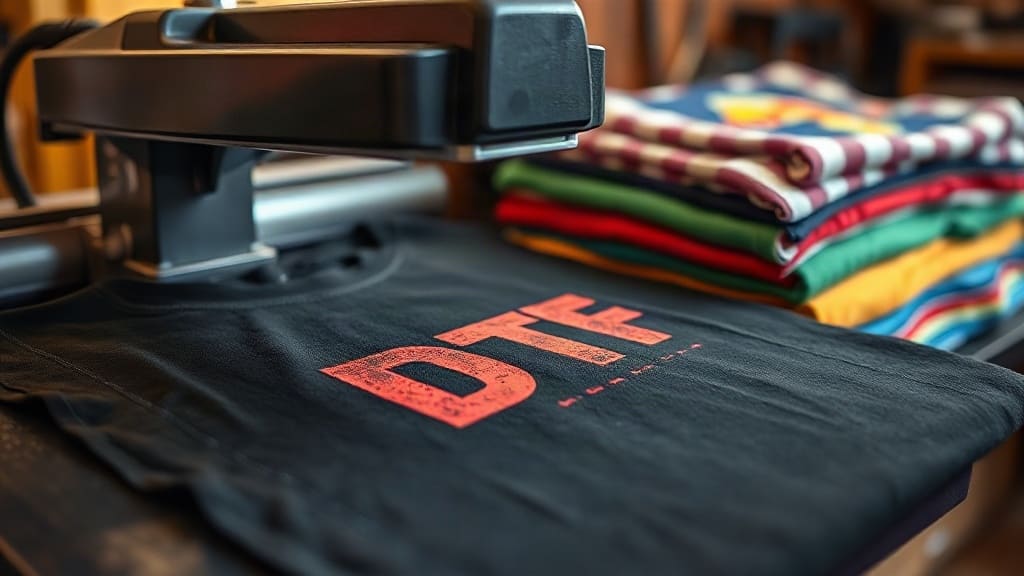
When you're printing DTF transfers, the blank you choose can make or break the final product. A flimsy tee might feel soft, but it can pucker or distort under heat. A heavyweight cotton, on the other hand, provides a stable surface that holds ink beautifully. That's why Shaka Wear has become a quiet favorite among custom apparel makers. Their garments are built with the kind of density and consistency that DTF printing demands, and they don't cost a fortune. In this article, I'll share why Shaka Wear blanks work so well for DTF, how to adjust your press settings for them, and a few practical tips I've picked up from printing hundreds of transfers on these shirts.
Why Shaka Wear Blanks Are a DTF Printer's Best Friend
Shaka Wear is a Los Angeles-based brand that started in the streetwear scene. Their tees and hoodies are known for a few things: heavyweight fabrics, boxy fits, and a price point that won't eat into your margins. For DTF printers, those traits translate into reliable, repeatable results.
Most Shaka Wear tees are made from 100% cotton, usually in the 6.0 to 7.5 oz range. That weight matters. Lighter fabrics tend to shift during pressing, and the heat can cause them to shrink or warp. Heavier cotton stays put, giving your transfer a flat, even surface to bond with. The tight knit also means less texture interference, so fine details in your design come out crisp.
Another advantage is color. Shaka Wear offers a wide range of solid colors, from classic white and black to heathers and earth tones. For DTF, you can print on any color without worrying about the shirt showing through, because the transfer includes a white ink layer. That opens up creative possibilities, and Shaka's palette gives you plenty to work with.
Preparing Shaka Wear Garments for DTF Printing
Before you even think about pressing, you need to prep the garment. Shaka Wear shirts often come with a light factory finish that can interfere with adhesion. A quick pre-press does the trick.
Step 1: Pre-Press to Remove Moisture
Set your heat press to 320°F (160°C) and press the shirt for 5 to 7 seconds. This removes moisture and wrinkles, and it also relaxes the fabric fibers. Don't skip this step, especially if you're working in a humid environment. Moisture is the enemy of DTF adhesion.
Step 2: Position and Secure Your Transfer
Place your DTF transfer face-up on the shirt. If you're using a film with a carrier sheet, make sure the printed side is against the fabric. Use heat tape to hold it in place if you're worried about shifting. Shaka's boxy fit means the shirt might not lay perfectly flat on the press, so take a moment to smooth it out.
Heat Press Settings for Shaka Wear
Shaka Wear's heavyweight cotton responds well to standard DTF settings, but you may need to fine-tune based on your press and the specific garment. Here's a baseline that works for most Shaka tees:
- Temperature: 320°F (160°C)
- Pressure: Medium to high (around 4-6 on a 1-10 scale)
- Time: 15 seconds for the initial press
- Peel: Cold peel (wait until the transfer cools completely)
For hoodies or thicker fleece, you might need to increase pressure slightly and extend the press time to 20 seconds. The goal is to push the adhesive into the fabric without scorching it. If you notice the transfer not sticking at the edges, bump up the pressure first before adjusting temperature.
After the cold peel, I always recommend a second press. Cover the transfer with a Teflon sheet or parchment paper and press for another 5 to 10 seconds. This step, often called a post-press, ensures the adhesive fully cures and the print becomes more durable. It also smooths out any slight texture from the fabric.
Common Challenges and How to Overcome Them
Even with great blanks, DTF printing has its quirks. Here are a few issues you might run into with Shaka Wear and how to solve them.
1. Print Feels Stiff or Rubbery
If your transfer feels stiff after pressing, you're likely using too much pressure or too high a temperature. Shaka's cotton can take heat, but excessive pressure flattens the ink into the fabric, making it feel like a plastic patch. Try reducing pressure and see if the adhesion still holds. Also, make sure you're not over-pressing during the post-press step.
2. Edges Lifting After Wash
This is usually a sign of incomplete adhesion. Either the pressure was too low, or the shirt wasn't pre-pressed enough. Moisture trapped in the fabric turns to steam during pressing, creating a barrier. Always pre-press, and if you're in a humid climate, store your blanks in a dry place.
3. Color Looks Dull
DTF transfers are vibrant, but on darker Shaka Wear colors, the white ink layer needs to be opaque enough. If your prints look muted, check your printer's white ink settings. You might need to increase the white ink density or do two passes. Also, ensure you're using quality DTF film and powder.
Care Instructions to Share with Your Customers
Once you've printed on Shaka Wear, the final step is educating your customers on how to care for their garment. DTF prints are durable, but they're not indestructible. A little guidance goes a long way.
- Wait 24 hours before the first wash to let the adhesive fully cure.
- Turn the garment inside out before washing.
- Use cold water and a gentle cycle.
- Avoid fabric softeners and bleach, which can break down the adhesive.
- Tumble dry on low or hang dry. High heat can cause cracking.
- If ironing is needed, do it inside out and avoid the printed area.
I like to include a small care card with every order. It reduces complaints and shows customers you care about the longevity of your work.
Why Shaka Wear Stands Out in a Crowded Market
There are plenty of blank brands out there, but Shaka Wear has a few things going for it that matter to DTF printers. First, the consistency. When you reorder, you get the same fabric weight and fit, which means your press settings stay dialed in. Second, the price. Shaka is affordable enough for small businesses to keep a healthy margin, yet the quality is high enough to appeal to customers who want a premium feel. Third, the style. The boxy, streetwear-inspired cuts are on-trend, and they photograph well for online stores.
I've printed on everything from budget blanks to high-end retail tees, and Shaka Wear hits a sweet spot. They're not the cheapest, but they're far from the most expensive, and they perform consistently. For a DTF shop, that reliability is worth its weight in gold.
Frequently Asked Questions
Can I use DTF transfers on Shaka Wear hoodies?
Absolutely. Shaka Wear hoodies are typically made from heavyweight fleece, which provides a great surface for DTF. Just increase your press time to 20 seconds and use a bit more pressure to penetrate the thicker fabric. Cold peel and post-press as usual.
Do I need to pre-wash Shaka Wear shirts before printing?
No, pre-washing is not necessary and can actually introduce wrinkles and shrinkage. A quick pre-press is sufficient to remove moisture and prepare the fabric. If you do wash, make sure the shirt is completely dry before printing.
What's the best DTF film for Shaka Wear garments?
Any quality DTF film will work, but I recommend films with a consistent coating and a good release. Double-sided matte film is popular because it reduces static and improves ink absorption. The key is to match your film to your printer and ensure your settings are optimized.
How durable are DTF prints on Shaka Wear after multiple washes?
With proper application and care, DTF prints on Shaka Wear can last 50+ washes without significant fading or cracking. The heavyweight cotton helps because it doesn't stretch as much as lighter fabrics, reducing stress on the print. Always follow the care instructions.
Can I stretch Shaka Wear shirts after printing?
It's not recommended. Stretching the fabric can cause the print to crack or separate from the adhesive. If you need a larger size, order a larger blank. Shaka Wear offers a range of sizes, so you can find the right fit without altering the garment after printing.