
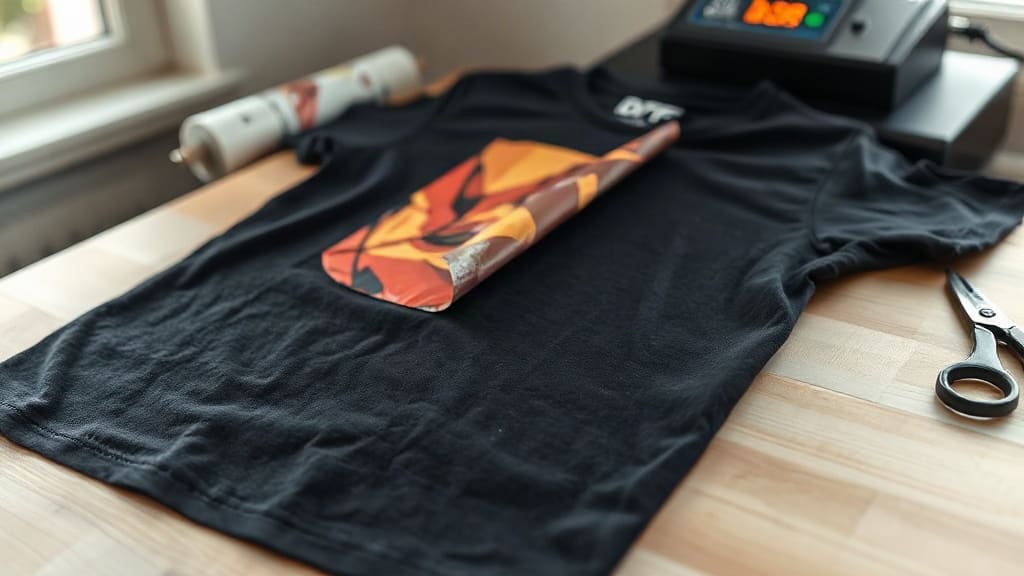
When you're diving into the world of DTF printing, the garment you choose can make or break your final product. Shaka Wear has quietly become a go-to blank for printers who demand reliability without sacrificing quality. If you're tired of prints that crack, fade, or feel stiff, the problem might not be your technique. It could be the blank itself. In this article, we'll explore why Shaka Wear stands out in the DTF community, how their fabrics interact with transfer films, and practical tips to get the most out of every print.
Why Shaka Wear Blanks Excel in DTF Printing
DTF printing relies on a heat press to transfer a printed film onto fabric. The magic happens when the adhesive powder melts and bonds with the fibers. Not all fabrics play nice. Cotton, polyester, and blends each behave differently under heat. Shaka Wear specializes in heavyweight cotton and cotton-poly blends that offer an ideal surface for DTF transfers. Their fabrics are tightly knit, which prevents the ink from bleeding and ensures crisp edges.
Another factor is shrinkage. Cheap blanks often shrink after the first wash, distorting the print. Shaka Wear garments are pre-shrunk, so your design stays true to size. This consistency is crucial for bulk orders, where a single misprint can ruin a client's trust.
Fabric Composition and DTF Compatibility
Not all Shaka Wear styles are the same. Let's break down the most common fabric types and how they perform with DTF.
100% Cotton
Shaka Wear's 100% cotton tees, like the popular SHASS01, are a dream for DTF. Cotton fibers are absorbent, allowing the adhesive to penetrate deeply. The result is a soft-hand feel and excellent wash durability. However, cotton can scorch if the press is too hot. We recommend 320°F for 15 seconds with medium pressure.
Cotton-Poly Blends
Blends, such as 50/50 or 60/40, offer the best of both worlds: the comfort of cotton and the durability of polyester. DTF prints on blends tend to have a slightly smoother finish. Shaka Wear's blend tees are popular for sportswear because they resist wrinkles and hold color well. Just be mindful that polyester can be sensitive to high heat, so lower the temperature to 300°F.
Tri-Blends
Tri-blends (cotton, polyester, rayon) are incredibly soft but can be tricky. The rayon content makes the fabric more delicate. DTF transfers adhere well, but the stretchiness requires careful pressing. Use a lower pressure and consider a second press for 5 seconds after peeling the film. Shaka Wear's tri-blend offerings are limited but worth exploring for premium retail lines.
Step-by-Step DTF Printing on Shaka Wear
Getting a perfect print isn't just about the blank. Follow these steps to ensure your Shaka Wear garment looks professional.
- Pre-press the garment: This removes moisture and wrinkles. Press for 5 seconds at the same temperature you'll use for the transfer.
- Position the transfer: Place the DTF film with the printed side up. Use heat tape to secure it if needed.
- Press: Apply medium pressure for 15 seconds. For cotton, 320°F; for blends, 300°F.
- Peel: Wait 10-15 seconds for the film to cool slightly, then peel in a smooth, continuous motion. Hot peel films require immediate peeling, but most DTF films are cold peel.
- Post-press: Cover the print with parchment paper and press for another 5 seconds to enhance durability.
This process works on any Shaka Wear style, but always test on a scrap piece first. Different colors and fabric weights may require slight adjustments.
Common Challenges and How to Overcome Them
Even with quality blanks, issues can arise. Here are typical problems and solutions.
- Print peeling after wash: Usually caused by insufficient pressure or too low temperature. Increase pressure and verify with a heat gun.
- Cracking: Often due to overstretching the garment during pressing. Avoid pulling the fabric; let the press do the work.
- Color fading: Cheap DTF films or improper storage can cause fading. Store films in a cool, dry place and use reputable suppliers.
- Adhesive residue: If the film leaves a sticky residue, you may be pressing too hot. Lower the temperature by 10°F and try again.
Shaka Wear's consistent fabric quality minimizes these issues, but technique matters. Keep a log of your settings for each style to streamline future jobs.
Choosing the Right Shaka Wear Style for Your Project
Shaka Wear offers a range of styles, from classic tees to hoodies and tank tops. Consider these factors when selecting a blank:
- Weight: Heavyweight (6 oz+) is great for streetwear; lightweight (4 oz) suits summer apparel.
- Fit: Shaka Wear is known for its true-to-size unisex fits. Check size charts, as some styles run slightly large.
- Color: Dark colors require a white underbase in DTF? Actually, DTF prints are opaque, so no underbase needed. But white ink on dark fabrics can appear slightly muted; choose vibrant designs.
- Purpose: For retail, go for ringspun cotton for softness. For workwear, blends offer durability.
Experiment with a few styles to see what resonates with your audience. Shaka Wear's affordable pricing makes sampling easy.
Care Instructions to Extend Print Life
Your customers will appreciate care tips that keep their custom apparel looking new. Include a care card with each order.
- Wash inside out in cold water.
- Tumble dry low or hang dry.
- Do not iron directly on the print.
- Avoid bleach and fabric softeners.
Following these guidelines, a DTF print on Shaka Wear can last 50+ washes without significant fading.
Frequently Asked Questions
Can I use DTF printing on 100% polyester Shaka Wear garments?
Yes, but you need to adjust your heat press settings. Polyester is heat-sensitive, so use a lower temperature (around 280-300°F) and light pressure. Also, pre-press to remove any sizing. DTF prints adhere well to polyester, but the print may feel slightly stiffer than on cotton.
How do I prevent the DTF transfer from stretching when the garment is worn?
Stretching occurs if the print is applied to a stretchy fabric and the adhesive doesn't fully cure. Ensure you use enough pressure and time. For stretchy blends, post-press for an extra 5 seconds. Also, advise customers not to overstretch the garment when putting it on.
What is the best Shaka Wear style for DTF printing?
The SHASS01 (heavyweight cotton tee) is a top choice because its tight weave and 100% cotton content provide excellent adhesion and soft feel. For hoodies, the SHF500 is popular. Ultimately, the best style depends on your design and target market.
Do I need to pre-treat Shaka Wear garments before DTF printing?
No pre-treatment is required for DTF. However, pre-pressing the garment is essential to remove moisture and wrinkles. This step ensures the film adheres evenly and prevents cold spots.
How long does a DTF print last on Shaka Wear?
With proper application and care, a DTF print on Shaka Wear can last as long as the garment itself, often 50+ washes. The key is following the correct temperature, pressure, and time, and avoiding harsh detergents.