
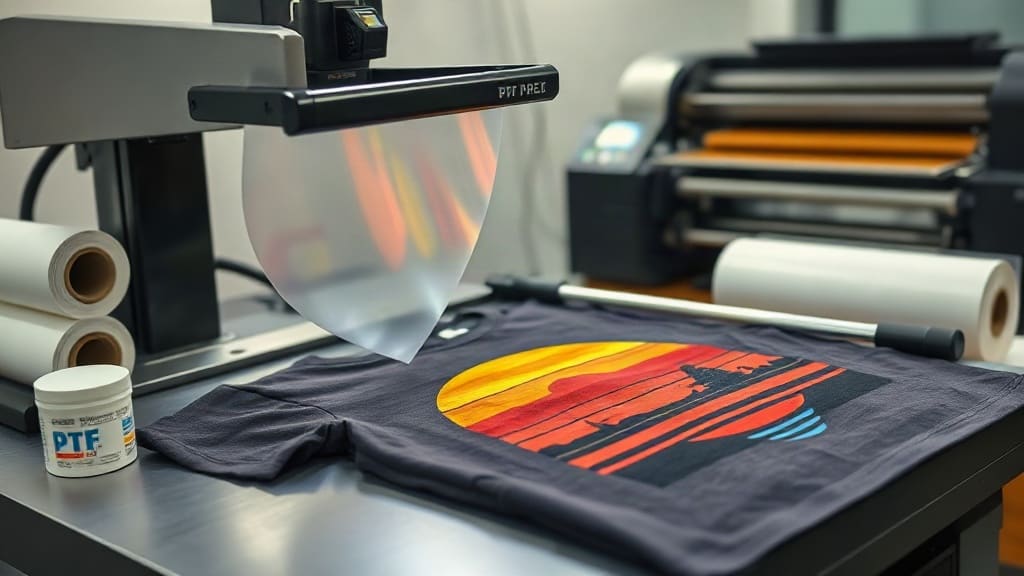
When you're searching for dtf transfers near me, you're likely in the middle of a custom apparel project that needs high-quality prints without the hassle of ordering from a distant company. Whether you're a small business owner, a hobbyist, or a print shop looking to expand your offerings, finding a local DTF printer can save you time, shipping costs, and potential communication headaches. But not all DTF transfer providers are created equal. Some use low-grade inks or flimsy films, resulting in transfers that crack, fade, or peel after just a few washes. In this guide, I'll walk you through what DTF transfers are, how to evaluate local printers, and how to choose the right one for your specific needs.
What Are DTF Transfers and Why Do They Matter?
DTF (Direct to Film) transfers are a popular method for printing custom designs onto garments. The process involves printing a design onto a special PET film, applying a powdered adhesive, and then heat-pressing the film onto fabric. Unlike screen printing, DTF doesn't require screens or setup fees, making it ideal for small orders, full-color designs, and one-off pieces. Unlike vinyl, DTF can handle intricate details and gradients without extra cutting. For those searching for dtf transfers near me, understanding the technology helps you ask the right questions and spot quality issues.
Benefits of Using a Local DTF Transfer Provider
Choosing a nearby printer has several advantages. First, you can visit the facility, see samples, and even test prints before committing to a large order. Second, local providers often offer faster turnaround, sometimes within 24 hours for small jobs. Third, you avoid shipping delays and potential damage during transit. Finally, a local business can provide personalized customer service, helping you refine your designs and troubleshoot issues like fabric compatibility or color matching. In my experience, building a relationship with a local DTF printer has been invaluable for meeting tight deadlines and ensuring consistent quality.
How to Evaluate DTF Transfer Quality
Not all DTF transfers are the same. Here are key factors to consider when assessing a local printer's output.
Ink and Film Quality
High-quality DTF transfers use vibrant, opaque white ink and a strong adhesive that bonds well with fabrics. The film should be clear and flexible, not brittle or yellowed. Ask to see a printed sample and feel the texture. A good transfer will feel smooth, not overly thick or tacky. Check if the white base is truly opaque, especially on dark garments. If the white appears translucent, colors may look dull, and the design could crack after washing.
Print Resolution and Color Accuracy
Look for prints with sharp edges and fine details. Resolution should be at least 720 DPI for crisp results. Color accuracy matters, especially if your brand relies on specific Pantone colors. A professional printer should be able to match colors closely, either by using ICC profiles or by physical samples. Don't hesitate to ask for a color test print on the exact fabric you plan to use.
Wash Durability and Stretchability
The whole point of custom apparel is to withstand regular wear and washing. A quality DTF transfer should survive at least 50 washes without significant fading or cracking. It should also stretch with the fabric without tearing. To test this, stretch a printed sample and see if the ink cracks. Also, wash a sample a few times and inspect for peeling or fading. A local provider should be willing to offer a small test run for this purpose.
Comparing DTF Transfers to Other Methods
While dtf transfers near me might be your focus, it's helpful to understand how DTF stacks up against alternatives like screen printing and vinyl.
DTF vs. Screen Printing
Screen printing is excellent for large orders with solid colors, offering vibrant colors and durability. However, it requires setup fees and is cost-effective only for quantities above a certain threshold, often 50 or more. DTF has no setup fees and excels at full-color designs with gradients or photographic elements. For small to medium runs, DTF is usually more economical. If you need more than 100 pieces of the same design, screen printing might be better. But if you need variety, DTF wins.
DTF vs. Vinyl
Vinyl (heat transfer vinyl) is great for simple text and shapes, but it doesn't handle multi-color designs well unless you layer and weed, which is time-consuming. DTF can print any color and detail in a single pass, making it faster for complex designs. Vinyl also tends to feel thicker and can crack over time, whereas DTF has a softer hand and better stretchability.
Where to Find DTF Transfers Near You
Start by searching online for local print shops that offer DTF transfer services. Use keywords like "DTF transfer printing near me" or "custom DTF transfers in [your city]". Check directories like Google Maps, Yelp, or even Facebook groups for local apparel decorators. Many screen printing shops now offer DTF as an add-on service, so don't overlook them. Also, visit local trade shows or networking events for the printing industry to meet providers in person.
Questions to Ask Before You Order
Once you have a list of potential providers, ask these questions to narrow down your choices.
- What is your turnaround time for DTF transfers?
- Do you provide free samples or test prints?
- What is your minimum order quantity?
- Do you offer color matching? If so, how?
- Which fabrics do you recommend for DTF?
- What is your pricing structure? Are there any hidden fees?
- Can you share references or reviews from past clients?
- Do you guarantee wash durability? What is your warranty policy?
These questions will help you gauge their professionalism and whether they meet your standards.
Red Flags to Avoid in DTF Providers
Be cautious if a printer refuses to provide samples, has unreasonably low prices, or cannot explain their process. Low prices often mean low-quality materials. Also, if they use outdated equipment or don't maintain their print heads, your transfers may have defects. Another red flag is a lack of transparency about film and ink brands. Established printers are usually proud to share their supplies. Trust your instincts: if something feels off, keep searching.
How to Prepare Your Artwork for DTF
To get the best results from your local DTF provider, prepare your files correctly. Use high-resolution images (at least 300 DPI) in formats like PNG, AI, PDF, or PSD. Ensure your design has a transparent background if it's not a full-bleed print. If your design includes text, convert it to outlines to avoid font issues. Also, consider the size and placement on the garment. Most printers offer templates or guidelines. Clear communication about these details can prevent costly mistakes.
Cost Considerations for DTF Transfers
Pricing for DTF transfers can vary widely depending on the provider, order quantity, and complexity. Generally, you'll pay a setup fee (though some offer no setup), plus a per-print cost. Volume discounts are common, so ordering in larger batches can reduce your per-unit cost. However, don't sacrifice quality for price. A slightly higher upfront cost is worth it for transfers that last and look professional.
DIY DTF Transfer Options
If you can't find a suitable local provider, you might consider purchasing a DTF printer and making your own transfers. This is a significant investment, but for high-volume production, it can be cost-effective. However, it requires a learning curve for printing, powder application, and curing. For most small businesses, using a professional service is more practical. But if you're curious, many equipment suppliers offer training and support.
Conclusion: Making the Right Choice
Finding the right dtf transfers near me is about more than just proximity. It's about partnering with a provider who understands your needs, delivers consistent quality, and supports your business growth. Start by researching local options, asking the right questions, and testing samples. With a little effort, you'll find a reliable partner that makes your custom apparel projects a success.
Frequently Asked Questions
What is the minimum order for DTF transfers?
Minimum orders vary by provider. Some accept single-piece orders, while others require a minimum of 10 or more. Local printers might be more flexible, especially for small businesses. Always ask about minimums before committing.
How long do DTF transfers last?
Quality DTF transfers can last for 50 to 100 washes if applied correctly and cared for properly. Durability depends on the ink, adhesive, and application temperature. To maximize lifespan, wash garments inside out in cold water and avoid using bleach or high-heat drying.
Can DTF transfers be used on any fabric?
DTF transfers are best for cotton, polyester, and blends. They work well on cotton-poly blends and even on nylon or spandex if using the right extension settings. However, they may not adhere well to waterproof or highly textured fabrics. Always test on a sample first.
How much do DTF transfers cost per print?
Costs depend on size, complexity, and quantity. For a standard 8x10 inch transfer, you might pay between $2 and $6 each, with discounts for larger orders. Local providers may have different pricing, so compare quotes.
Do I need to heat press DTF transfers?
Yes, DTF transfers require a heat press for application. You can use a household iron in a pinch, but a heat press ensures even pressure and temperature for best results. The typical recommendation is 300°F for 15 seconds with medium pressure.