
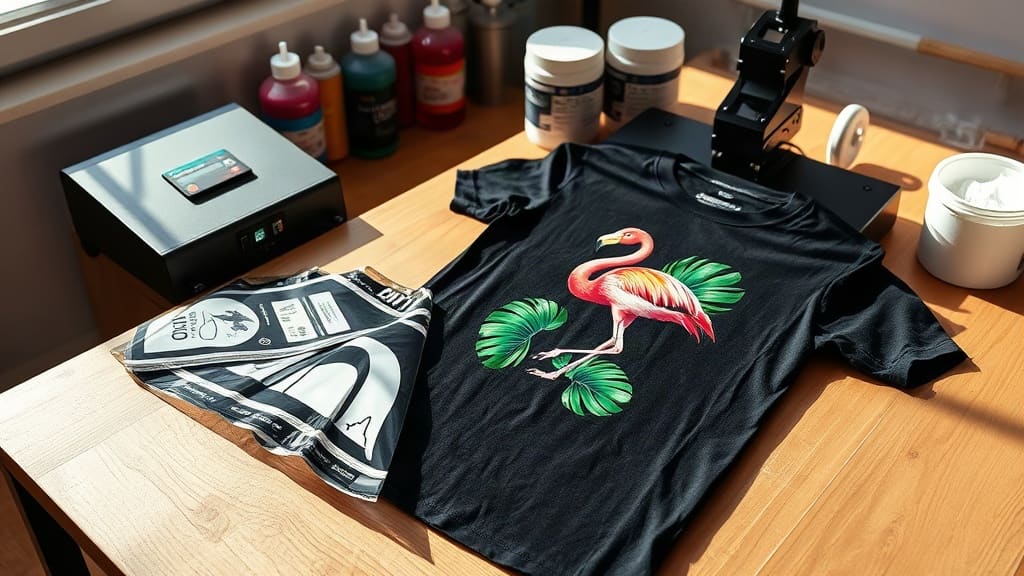
DTF transfers have taken the custom apparel industry by storm, offering a flexible and vibrant alternative to traditional printing methods. If you've been searching for a way to create high-quality custom shirts, hoodies, or even tote bags without the hassle of screen printing setup, you've likely stumbled upon this term. In this guide, we'll dive deep into what DTF transfers are, how they work, and why they might be the perfect solution for your printing needs. Whether you're a seasoned printer or a complete beginner, you'll find practical insights and actionable tips to get started.
What Are DTF Transfers?
DTF stands for Direct to Film. It's a printing method where a design is printed onto a special PET film using a printer and then transferred onto fabric using a heat press. Unlike DTG (Direct to Garment) which prints directly onto the shirt, DTF prints onto a film first, allowing for more flexibility in terms of fabric types and colors. The process involves printing with CMYK plus white ink, applying adhesive powder, and then curing it. When you heat press the film onto the garment, the design adheres permanently, creating a soft and durable print.
How Do DTF Transfers Work?
The DTF process can be broken down into a few key steps. First, you need a DTF printer, which is typically an inkjet printer that uses specialized pigment inks and white ink. The design is printed in reverse onto a PET film. After printing, a hot-melt adhesive powder is applied to the wet ink. This powder is then melted and cured using heat. Once the film is ready, you place it on the garment with the design facing down, and press it with a heat press at around 160°C (320°F) for about 15-20 seconds. After peeling off the film, your transfer is complete.
Why Choose DTF Transfers?
There are several compelling reasons why DTF transfers are becoming a go-to choice for both small businesses and large-scale production. Here are some of the main benefits:
- Versatility: DTF works on a wide range of fabrics, including cotton, polyester, blends, and even leather. You're not limited to light-colored garments; the white ink layer allows for vibrant prints on dark colors.
- Durability: The prints are highly durable and can withstand multiple washes without cracking or fading.
- Soft Hand Feel: Unlike some heat transfers, DTF prints have a soft texture that doesn't feel rubbery or heavy.
- Cost-Effective for Small Runs: Since there's no screen setup, DTF is great for low-quantity orders. You can print one item or hundreds with ease.
- No Weeding: Unlike vinyl, DTF doesn't require any weeding, saving time and effort.
DTF Transfers vs. Other Methods
To truly appreciate DTF transfers, it's helpful to compare them with other popular methods like screen printing, DTG, and vinyl.
Screen Printing
Screen printing is known for its durability and vibrant colors, especially on light shirts. However, it requires a significant upfront setup cost and is best suited for bulk orders. DTF offers more flexibility for smaller runs and is easier to manage for beginners.
Direct to Garment (DTG)
DTG prints directly onto the garment, similar to a regular inkjet printer. It's great for detailed designs and has a soft hand feel. However, DTG is often slower and more expensive per print for small batches. DTF can be faster and more cost-effective for small orders, especially when printing on polyester or other fabrics that DTG struggles with.
Vinyl Heat Transfer
Vinyl is cut from rolls and weeded before pressing. It's excellent for simple designs with few colors, but it's not suitable for complex, multi-colored artwork. DTF can produce full-color, detailed prints with no weeding, making it superior in many cases.
What Materials Do You Need?
To get started with DTF transfers, you'll need the following equipment and supplies:
- DTF Printer: A printer that can handle DTF inks, often an Epson or a converted model. You'll need one with white ink capability.
- DTF Film: PET film specifically designed for DTF. It usually comes in rolls.
- Adhesive Powder: A hot-melt powder that acts as the glue between the ink and the fabric.
- Heat Press: A clamshell or swing-away heat press with temperature and pressure control.
- Curing Oven or Laminator: Some setups use a curing oven to melt the powder, but a heat press can also be used for the initial curing.
- Inks: CMYK plus white ink, specifically formulated for DTF printing.
Step-by-Step Process: From Design to Finished Product
Let's walk through the entire process of creating a custom shirt using DTF transfers. This step-by-step guide will help you understand each phase and avoid common pitfalls.
Step 1: Create Your Design
Start with a high-resolution design. Use software like Adobe Illustrator or Photoshop to ensure your artwork is at least 300 DPI. Remember to mirror your design horizontally if it contains text, because the transfer will be flipped when applied.
Step 2: Print the Film
Load the PET film into your DTF printer. Print your design with CMYK and white ink. The white ink acts as a base to make the colors pop on dark garments. Ensure the print is clean and free of smudges.
Step 3: Apply Adhesive Powder
While the ink is still wet, cover the printed area with adhesive powder. Shake off the excess. The powder should stick to the wet ink.
Step 4: Cure the Powder
Heat the film with the powder using a heat source. This can be done in a curing oven or with a heat press set to a low temperature. The powder melts and becomes transparent, creating a strong bond.
Step 5: Press the Transfer
Place the cured film onto your garment with the design facing down. Use your heat press at the recommended temperature and pressure. Press for about 15-20 seconds. The exact time may vary based on your equipment and fabric.
Step 6: Peel the Film
After pressing, let it cool for a few seconds, then carefully peel off the film. You should see a vibrant, durable print on your fabric.
Tips for Perfect DTF Transfers
Getting the best results from DTF transfers requires practice and attention to detail. Here are some pro tips to help you achieve flawless prints every time:
- Use High-Quality Inks: Cheap inks can lead to poor color reproduction and durability issues. Invest in reputable DTF inks.
- Calibrate Your Printer: Regular nozzle checks and head alignment ensure consistent white ink flow.
- Control Humidity: DTF powders and films are sensitive to humidity. Store them in a dry environment to prevent clumping and adhesion issues.
- Test on Scrap Fabric: Always run a test print before committing to a batch.
- Follow Temperature Guidelines: Too much heat can scorch the fabric, and too little may not bond the transfer properly. Use a temperature gun to verify your press's accuracy.
Common Mistakes to Avoid
Even experienced printers make mistakes. Here are a few common ones to watch out for:
- Skipping the Powder Curing: If you don't cure the powder before pressing, the transfer won't adhere properly.
- Not Mirroring the Design: Forgetting to mirror can result in text that appears reversed on the final garment.
- Using the Wrong Film: Standard PET film won't work; you need film specifically designed for DTF.
- Incorrect Pressure: Too little pressure leads to weak adhesion; too much can crush the fabric fibers.
Frequently Asked Questions About DTF Transfers
Can I use DTF transfers on any fabric?
Yes, DTF transfers are incredibly versatile. They work on cotton, polyester, nylon, and blends. However, for very stretchy fabrics, you may need to adjust your pressing time and temperature. Always test on a small area first.
How many washes do DTF transfers last?
With proper application and care, DTF transfers can last for 50+ washes without significant fading or cracking. To extend the life, wash garments inside out in cold water and avoid using fabric softeners.
Do I need a special printer for DTF?
Yes, you need a printer that can handle DTF inks, specifically white ink. Many people convert Epson printers for this purpose, but there are also dedicated DTF printers available. It's important to have a printer with a refillable ink system and a piezoelectric printhead that can handle pigment inks.
Is DTF more cost-effective than screen printing for small orders?
Absolutely. Since there's no screen setup, DTF is ideal for small orders. You can print one-off items at a reasonable cost, making it perfect for personalized gifts or on-demand production.
What is the difference between DTF and sublimation?
Sublimation requires polyester fabrics and works by infusing dye into the material, whereas DTF uses an adhesive layer to bond to the fabric. DTF is more versatile and can be used on cotton, which sublimation cannot.
Conclusion
DTF transfers have truly transformed the custom apparel industry, offering a perfect blend of durability, versatility, and ease of use. Whether you're a hobbyist looking to create unique gifts or a business owner aiming to expand your product line, mastering DTF transfers can open up a world of possibilities. With the right equipment and a bit of practice, you'll be producing professional-quality prints in no time. So, why not give it a try? Your next custom creation could be just a heat press away.