
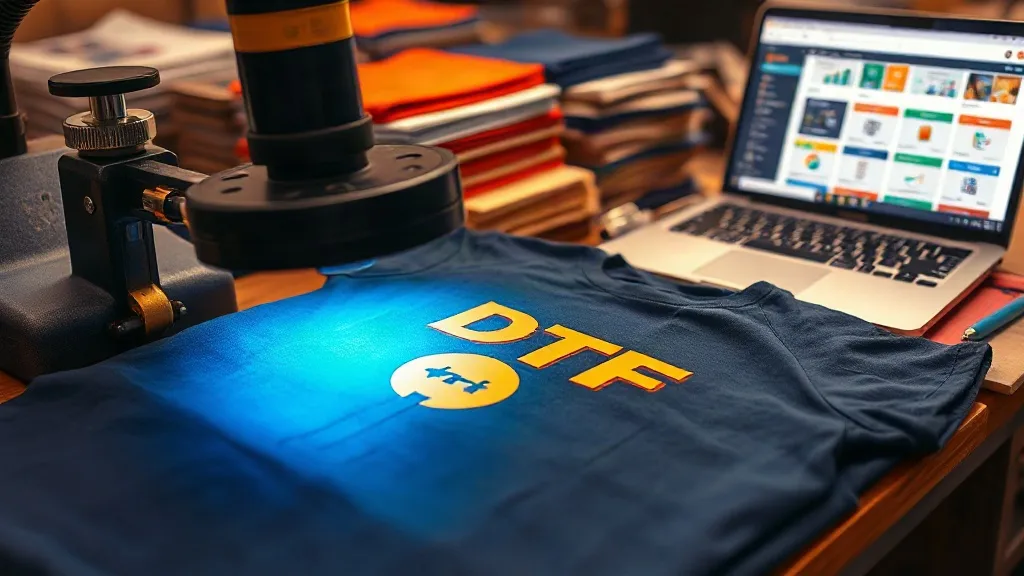
When you're running a print shop, the difference between a good DTF print and a great one often comes down to the blank you choose. Shaka Wear has become a go-to brand for many shops, thanks to its consistent quality and variety of fabric blends. But not all Shaka Wear blanks are created equal when it comes to DTF printing. In this guide, we'll break down how different Shaka Wear fabrics interact with DTF transfers, so you can make informed decisions and deliver outstanding results every time.
Why Fabric Choice Matters for DTF Printing
DTF (Direct-to-Film) printing has revolutionized the way shops handle short runs and complex designs. Unlike screen printing, DTF doesn't require color separation or setup fees, making it ideal for on-demand production. However, the success of a DTF transfer depends heavily on the fabric it's applied to. Factors like fiber content, weave, weight, and finish all influence how the ink adheres, how the print feels, and how long it lasts.
Shaka Wear offers a range of blanks, from 100% cotton tees to poly-cotton blends and fleece. Each has its own personality under the heat press. Understanding these nuances will help you avoid common pitfalls like poor adhesion, cracking, or color shifting.
Shaka Wear's Fabric Lineup: A DTF Perspective
Shaka Wear's catalog is diverse, but for DTF printing, we can group their fabrics into three main categories: 100% cotton, cotton-poly blends, and specialty fabrics like tri-blends or fleece. Let's examine each.
100% Cotton: The Classic Choice
Shaka Wear's 100% cotton tees, such as the popular 7.5 oz heavyweight style, are a staple for many shops. Cotton provides a soft, breathable canvas that takes DTF transfers well. The porous nature of cotton fibers allows the adhesive powder to grip effectively, resulting in a strong bond. However, cotton's texture can sometimes show through the print, especially on lighter colors. For best results, use a fine-grit sandpaper or a fabric comb to smooth the surface before pressing. Also, pre-press the garment to remove moisture and wrinkles.
One thing to note: 100% cotton can shrink, so if you're printing on pre-shrunk Shaka Wear blanks, you're in luck. Their tees are typically pre-shrunk, which means less surprises after the first wash. For DTF, shrinkage can cause the print to crack if the fabric pulls away from the ink. Pre-shrunk blanks minimize this risk.
Cotton-Poly Blends: The Smooth Operator
Shaka Wear's 50/50 and 60/40 blends offer a smoother surface than pure cotton, which can lead to a more vibrant, photographic print. The polyester content helps the ink adhere evenly and reduces the chance of the fabric texture interfering with fine details. However, polyester requires careful temperature control. If the press is too hot, the polyester can melt or cause the ink to bleed. A lower temperature (around 300°F to 310°F) and moderate pressure usually work well for blends. Always do a test press to dial in the settings.
Another advantage of blends is their durability. They resist shrinking and wrinkling, so your DTF prints maintain their integrity over time. For high-volume orders where consistency is key, Shaka Wear's blends are a reliable choice.
Tri-Blends and Fleece: Special Considerations
Shaka Wear also offers tri-blend tees (cotton, polyester, rayon) and fleece items like hoodies. Tri-blends have a soft, draped feel and a slightly heathered look. DTF printing on tri-blends can be tricky because the rayon content can cause the fabric to scorch at high temperatures. Use a lower temperature (around 290°F) and press for a shorter time. Also, the uneven surface of tri-blends may require a bit more pressure to ensure full contact.
Fleece, on the other hand, is thicker and has a lofted surface. DTF transfers on fleece can sink into the fabric, leading to a duller print. To combat this, use a higher pressure and consider a longer press time. Pre-pressing the fleece to flatten the fibers is essential. Shaka Wear's fleece is known for its quality, but it demands respect under the heat press.
Preparing Shaka Wear Blanks for DTF
Proper preparation is half the battle. Before applying any DTF transfer, follow these steps to ensure optimal adhesion:
- Pre-press the garment: This removes moisture and wrinkles. Set your press to the recommended temperature for the fabric and press for 5-10 seconds.
- Use a lint roller: Any lint or dust on the fabric will prevent the transfer from bonding. Give the print area a quick once-over.
- Position with care: Use a heat-resistant tape or a DTF alignment tool to keep the transfer in place. Shaka Wear's blanks often have a center crease; use that as a guide.
- Check for seams and zippers: If printing near seams (e.g., on a pocket or hoodie), use a pressing pillow to ensure even pressure.
Heat Press Settings for Shaka Wear Fabrics
While every press is different, here are starting points for Shaka Wear's common fabrics. Always perform a test press to fine-tune.
- 100% Cotton: 320°F, 15-20 seconds, medium-heavy pressure.
- Cotton-Poly Blend: 310°F, 15 seconds, medium pressure.
- Tri-Blend: 290°F, 12-15 seconds, light-medium pressure.
- Fleece: 320°F, 20-25 seconds, heavy pressure.
Remember to peel the film while it's still warm (for hot peel) or completely cool (for cold peel), depending on the transfer instructions. Shaka Wear's fabrics generally work well with both, but a warm peel often yields a smoother finish on cotton.
Maximizing Efficiency with DTF Gangsheets
For busy shops, efficiency is everything. Instead of printing individual transfers, you can gang multiple designs onto a single sheet using a DTF Gangsheet Builder. This tool lets you arrange various sizes and quantities on one film, saving time and material. When using Shaka Wear blanks, you can plan your gangsheets around their standard sizes and colors, ensuring you have the right transfers ready for each order. The DTF Gangsheet Builder from Harwin DTF is particularly useful for this, as it allows you to upload your artwork and preview the layout before printing.
By combining Shaka Wear's reliable blanks with efficient gangsheet production, you can streamline your workflow and increase profitability. For more information on Shaka Wear products, check out their collection at shaka wear.
Avoiding Common DTF Mistakes with Shaka Wear
Even experienced printers can run into issues. Here are some common mistakes and how to avoid them:
- Too much pressure: This can cause the ink to spread and lose detail. Use the minimum pressure needed for full contact.
- Inconsistent temperature: Fluctuations can lead to under- or over-curing. Invest in a heat press with accurate temperature control.
- Ignoring fabric content: Always check the label. Shaka Wear's blends require different settings than their 100% cotton.
- Skipping the test press: A small test can save a whole batch. Always test on a scrap piece of the same fabric.
Frequently Asked Questions
Can I use DTF on all Shaka Wear fabrics?
Yes, DTF works on all Shaka Wear fabrics, but you need to adjust your heat press settings accordingly. Cotton, blends, tri-blends, and fleece each have specific requirements. Always test first.
How do I prevent DTF prints from cracking on Shaka Wear tees?
Cracking usually happens due to insufficient pressure, incorrect temperature, or fabric shrinkage. Ensure proper adhesion by pre-pressing, using the right settings, and choosing pre-shrunk blanks like Shaka Wear's. Also, wash garments inside out in cold water to prolong print life.
What's the best Shaka Wear blank for vibrant DTF prints?
For the most vibrant prints, cotton-poly blends offer a smooth surface that enhances color brightness. However, 100% cotton can also produce excellent results with proper preparation. Consider the design: fine details pop on blends, while vintage looks work well on cotton.
How long should I press DTF on Shaka Wear hoodies?
For Shaka Wear fleece hoodies, press at 320°F for 20-25 seconds with heavy pressure. Pre-press the garment to flatten the fleece, and use a pressing pillow if there are seams or zippers.
Can I order custom gangsheets for Shaka Wear blanks?
Absolutely. Using a DTF Gangsheet Builder like the one from Harwin DTF, you can arrange multiple designs for different Shaka Wear sizes and colors on a single sheet, maximizing efficiency and reducing waste.