
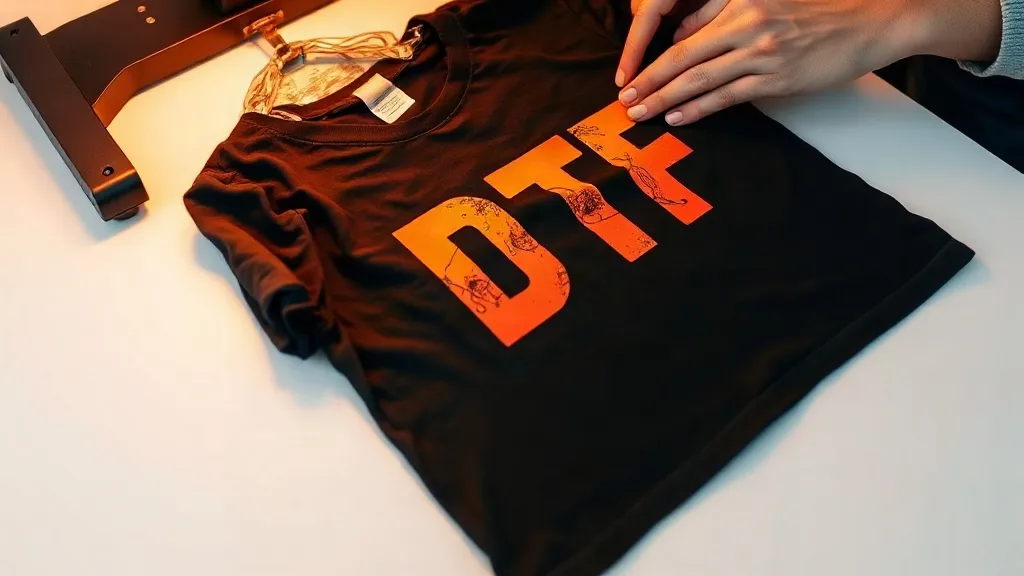
When you invest in shaka wear blanks for your DTF printing projects, you want the prints to look as good as the day they were pressed. But DTF prints, while durable, aren't indestructible. The way you care for the garment after printing plays a huge role in how long the design stays vibrant and intact. In this guide, we'll share practical, field-tested advice to help you get the most out of every Shaka Wear piece you print.
Why Shaka Wear Blanks Are a Favorite for DTF
Shaka Wear has earned a solid reputation among print shops for their consistent quality and comfortable fit. Their blanks, especially the heavyweight tees, provide a smooth surface that accepts DTF transfers well. The fabric blends are carefully chosen to withstand the heat press without scorching, and the tight knit helps prevent the print from sinking into the fibers. This makes Shaka Wear a reliable choice for both small batches and large orders.
But even the best blank needs proper care after printing. DTF prints are applied using a heat press, which bonds the adhesive powder to the fabric. Over time, improper washing or drying can cause the print to crack, fade, or peel. Understanding how to handle Shaka Wear garments post-print is key to customer satisfaction and your shop's reputation.
The Enemies of DTF Print Longevity
Before diving into care instructions, it helps to know what you're up against. DTF prints are susceptible to three main factors: heat, abrasion, and harsh chemicals.
- Heat: High temperatures in the washer or dryer can soften the adhesive and cause the print to lift or distort.
- Abrasion: Friction from other garments, especially those with zippers or rough textures, can scratch the print surface.
- Chemicals: Bleach and harsh detergents can break down the ink and adhesive, leading to fading and premature peeling.
By minimizing exposure to these elements, you can significantly extend the life of your DTF prints on Shaka Wear blanks.
Washing Tips for DTF-Printed Shaka Wear
Turn It Inside Out
Always wash DTF-printed garments inside out. This simple step protects the print from rubbing against other items in the wash, reducing abrasion. It also minimizes direct contact with the agitator in top-loading machines.
Use Cold Water
Cold water is your friend. It prevents the adhesive from softening and keeps the colors from bleeding. Set your washing machine to a cold, gentle cycle. Avoid hot water at all costs.
Choose a Mild Detergent
Harsh detergents with bleach or optical brighteners can degrade the print. Opt for a mild, liquid detergent that's free of dyes and perfumes. Powder detergents can sometimes leave residue that affects the print's appearance.
Skip the Fabric Softener
Fabric softeners can leave a coating on the print that dulls the colors and weakens the adhesive. It's best to avoid them entirely for DTF-printed items.
Wash with Similar Colors
To prevent dye transfer, wash DTF-printed Shaka Wear with similar colors. New garments, especially dark ones, may bleed in the first few washes, so it's safer to wash them separately initially.
Drying and Ironing Best Practices
Air Dry When Possible
The safest way to dry DTF-printed garments is to hang them up or lay them flat to air dry. Avoid direct sunlight, which can fade the print over time. If you must use a dryer, use the lowest heat setting and remove the garment promptly to prevent wrinkles.
Avoid High Heat in the Dryer
High heat is the enemy of DTF prints. It can cause the adhesive to melt and the print to crack. If you're using a dryer, choose the air-fluff or low-heat setting. Better yet, remove the garment while it's still slightly damp and hang it to finish drying.
Iron with Care
If you need to iron a DTF-printed Shaka Wear shirt, turn it inside out and use a low heat setting. Never iron directly on the print. You can also place a pressing cloth or parchment paper over the print to protect it.
Storage and Handling
How you store your DTF-printed garments also affects their longevity. Avoid folding the garment directly on the print, as this can create creases that weaken the adhesive. Instead, fold it so the print is on the inside or use a hanger. For long-term storage, keep the garments in a cool, dry place away from direct sunlight.
When handling the garments, be mindful of rough surfaces and sharp objects that could snag the print. If you're packing orders for shipping, use tissue paper or a protective layer over the print to prevent rubbing during transit.
Choosing the Right DTF Supplies for Shaka Wear
The quality of your DTF supplies matters just as much as the care after printing. Using a reliable DTF Gangsheet Builder ensures that your transfers are produced with consistent ink coverage and adhesive application. This foundation is crucial for a print that withstands washing and wear. Additionally, always follow the recommended pressing parameters for Shaka Wear blanks to achieve optimal adhesion.
For those looking to streamline their DTF workflow, a DTF Gangsheet Builder can help you arrange multiple designs efficiently, reducing waste and ensuring precise placement. By combining high-quality supplies with proper care, you'll deliver products that keep customers coming back.
Common Mistakes That Shorten DTF Print Life
Even with the best intentions, some habits can inadvertently damage DTF prints. Here are a few to avoid:
- Washing in hot water or using a heavy-duty cycle.
- Drying on high heat or over-drying.
- Using bleach or fabric softener.
- Ironing directly on the print.
- Storing garments in damp or humid conditions.
Educating your customers about these pitfalls can significantly reduce complaints and returns.
Frequently Asked Questions
How long do DTF prints last on Shaka Wear shirts?
With proper care, DTF prints on Shaka Wear blanks can last for years. The key is to follow the washing and drying guidelines: cold water, gentle cycle, inside out, and low-heat drying. Many customers report prints lasting 50+ washes without noticeable fading or cracking.
Can I use a regular iron on a DTF-printed shirt?
Yes, but you must be careful. Always turn the shirt inside out and use a low heat setting. Never iron directly on the print. Alternatively, use a pressing cloth over the print to protect it.
What should I do if the print starts to peel?
If you notice slight peeling, you can often fix it by re-pressing the garment. Turn it inside out and use a heat press or iron on low heat for a few seconds. This can reactivate the adhesive. However, if the peeling is extensive, the print may be beyond repair.
Is it safe to dry clean DTF-printed garments?
Dry cleaning is generally not recommended for DTF prints because the chemicals used can be harsh. If you must dry clean, inform the cleaner about the print so they can take precautions. Hand washing is a safer alternative.
How can I extend the life of DTF prints on Shaka Wear?
Follow the care instructions: wash inside out in cold water, use mild detergent, avoid fabric softener and bleach, air dry or tumble dry low, and store properly. Also, use high-quality DTF transfers and proper pressing techniques to ensure a strong bond from the start.