
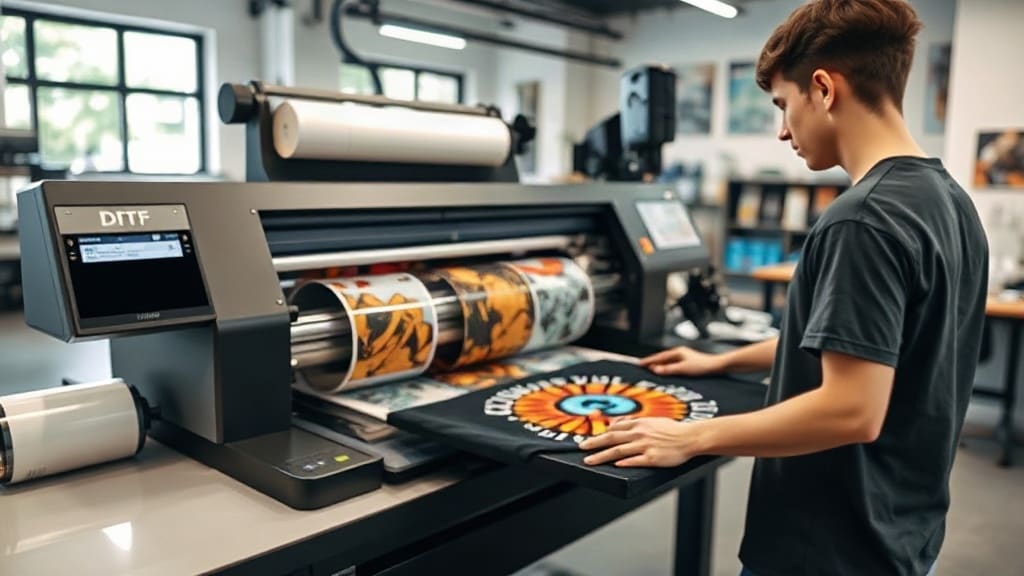
In the fast-paced world of custom apparel, staying ahead of the curve is essential. One technology that's been making waves is DTF transfers. Whether you're a seasoned printer or just starting out, understanding this method can open up new possibilities for your business. In this article, we'll delve into what makes DTF transfers so revolutionary and why they're becoming the go-to choice for many.
What Are DTF Transfers?
DTF (Direct to Film) transfers involve printing a design onto a special film, applying adhesive powder, and then heat-pressing it onto fabric. This process allows for vibrant, durable prints on a wide range of materials. Unlike traditional screen printing or vinyl, DTF transfers offer incredible versatility and ease of use.
The Advantages of DTF Transfers
Versatility Across Fabrics
One of the biggest selling points of DTF transfers is their compatibility with various fabrics. From cotton and polyester to blends and even leather, DTF works effectively. This means you can expand your product line without needing multiple printing methods.
High-Quality, Detailed Prints
DTF transfers produce sharp, vivid images with excellent color reproduction. The process captures fine details and gradients, making it perfect for complex logos and artwork. Plus, the prints are stretchable and durable, standing up to repeated washing without cracking or peeling.
Cost-Effective for Small Batches
If you're looking to offer custom products without the high setup costs of screen printing, DTF transfers are a game-changer. There are no screens to burn, and you can print single items or small quantities economically. This makes it ideal for on-demand fulfillment and personalized gifts.
How DTF Transfers Compare to Other Methods
DTF vs. Screen Printing
Screen printing is excellent for large orders with simple designs, but it requires significant setup time and cost. DTF transfers offer more flexibility for short runs and detailed artwork, with faster turnaround times.
DTF vs. Heat Transfer Vinyl
HTV is great for solid-color designs but struggles with full-color images. DTF transfers handle multi-color and photographic prints easily, and they adhere better to stretchy fabrics, reducing the risk of cracking.
Getting Started with DTF Transfers
Essential Equipment
To begin, you'll need a DTF printer (or a converted inkjet printer), DTF film, adhesive powder, and a heat press. Invest in quality supplies to ensure the best results.
Step-by-Step Process
- Print your design onto the DTF film using special CMYK+W inks.
- While the ink is still wet, apply the adhesive powder to the printed side.
- Shake off excess powder and cure it using a heat source, like an oven or a heat press with a Teflon sheet.
- Place the film on your garment and press with heat and pressure.
- Peel off the film to reveal your vibrant print.
Applications and Use Cases
DTF transfers are perfect for creating custom t-shirts, hoodies, tote bags, and even caps. They're widely used for promotional products, sports team apparel, and small business merchandise. The ability to print on demand means you can offer a wide range of designs without holding inventory.
Common Challenges and Solutions
Adhesion Issues
If your prints aren't sticking properly, check your powder application and pressing temperature. Too little powder or low heat can cause weak adhesion. Experiment with dwell times and pressure to find the sweet spot.
Color Fading
To prevent fading, ensure you use high-quality inks and cure the adhesive thoroughly. Also, advise your customers to wash garments inside out in cold water.
Future Trends in DTF Transfers
The DTF industry is evolving rapidly, with improvements in film technology, inks, and automation. We can expect even faster production times and more eco-friendly options. As the demand for personalized apparel grows, DTF transfers are set to play a major role.
Conclusion
In summary, DTF transfers offer a perfect blend of quality, versatility, and cost-efficiency. Whether you're a hobbyist or a professional, adopting this technology can help you meet the needs of today's custom apparel market. So why not give it a try? Your customers might just love the results.
Frequently Asked Questions
Can DTF transfers be used on dark-colored garments?
Yes, absolutely. DTF transfers work brilliantly on dark fabrics because of the white ink layer that provides a base for the colors. This ensures your design pops regardless of the garment's color.
How long do DTF prints last?
With proper application and care, DTF prints are highly durable. They can withstand multiple washes without cracking or peeling, making them comparable to screen-printed designs. The key is to follow the recommended pressing instructions.
Do I need a special printer for DTF transfers?
Yes, you need a printer that can handle DTF inks and films. Many users convert standard inkjet printers, but it's often easier to invest in a dedicated DTF printer that comes with support and optimized settings.
What is the recommended heat press temperature and time?
Typically, you should press at around 320°F (160°C) for about 15 seconds with medium to firm pressure. However, always refer to your specific film and powder manufacturer's instructions, as variations can occur.
Are DTF transfers eco-friendly?
While traditional DTF involves some plastic films and synthetic adhesives, there are water-based ink options and recyclable films emerging. As awareness grows, more sustainable alternatives are being developed, making DTF a more environmentally conscious choice over time.