
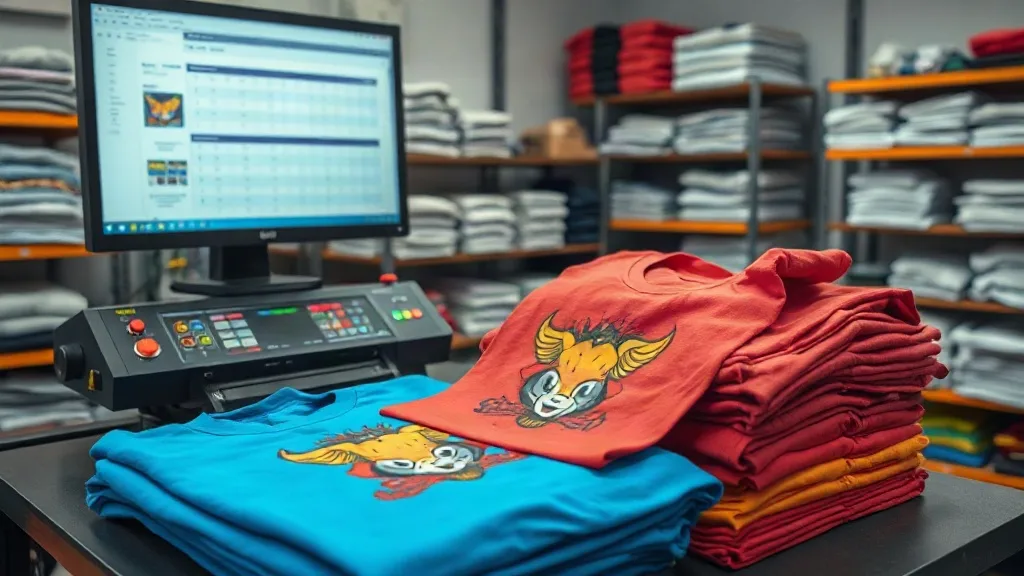
When you're running a print shop, every step of the process matters. From the moment you select a blank to the final press, consistency and quality are non-negotiable. That's why so many professional printers turn to shaka wear for their DTF needs. These tees have earned a reputation for taking prints beautifully, time after time. But what makes them so special? And how can you get the most out of them? In this guide, we'll dive deep into the world of Shaka Wear and DTF printing, sharing practical tips and insights that will help you elevate your game.
Why Shaka Wear Stands Out for DTF Printing
Shaka Wear isn't just another blank tee brand. It's a favorite among printers who care about the details. The fabric composition, the weight, the weave—all of these factors contribute to how well a DTF transfer adheres and how long it lasts. Shaka Wear tees are typically made from 100% cotton or cotton-poly blends, with a tight knit that provides a smooth surface for printing. This means your transfers go on cleanly, with minimal texture interference.
Another key advantage is the consistency of Shaka Wear's manufacturing. When you order a batch of tees, you can trust that each one will have the same dimensions, fabric weight, and dye lot. That consistency is crucial for high-volume shops where every print needs to look identical. No one wants to deal with variations in shrinkage or color from one shirt to the next.
Moreover, Shaka Wear tees are known for their durability. They hold up well to repeated washing and wear, which means your customers will be happy with their purchases long after they leave your shop. And when your prints last, your reputation grows.
Choosing the Right Shaka Wear Blank for Your Project
Not all Shaka Wear tees are created equal, and selecting the right one for your project is half the battle. Here's what to consider:
- Fabric weight: Shaka Wear offers tees in various weights, from lightweight to heavyweight. Heavier fabrics (like 5.5 oz and up) are excellent for DTF because they provide a stable base that resists stretching during pressing. Lighter weights might require more careful handling to avoid over-pressing.
- Fabric content: 100% cotton is generally the easiest to print on, as it handles the heat of the DTF process well. Cotton-poly blends can also work, but you may need to adjust your press settings slightly. Polyester content can affect how the adhesive melts, so always test first.
- Color: Light-colored tees are more forgiving for DTF, but dark tees can also yield stunning results if you use a white toner base or a transfer with a white backing. Shaka Wear's dark tees are dyed consistently, so you won't see uneven fading after pressing.
For most DTF applications, we recommend starting with Shaka Wear's heavyweight cotton tees. They offer a premium feel and excellent printability. If you're aiming for a softer, more retail-ready feel, their ringspun cotton options are worth considering.
Preparing Shaka Wear Tees for DTF Transfers
Proper preparation is the secret to flawless DTF prints. Even the best blank can fail if you skip the prep steps. Here's a quick checklist:
- Pre-press the shirt: Before applying the transfer, press the shirt for a few seconds to remove moisture and wrinkles. This step is especially important for cotton fabrics, which can harbor moisture that interferes with adhesion.
- Lint removal: Use a lint roller or compressed air to remove any loose fibers. DTF transfers bond to the fabric, and lint can create weak spots.
- Positioning: Place the transfer exactly where you want it. Remember that DTF transfers don't move once they're pressed, so take your time.
- Heat press settings: Follow the transfer manufacturer's recommendations, but as a starting point, use medium pressure at 320°F (160°C) for 15 seconds. Peel hot or cold according to the transfer type.
One common mistake is using too much pressure. Shaka Wear's tight weave means you don't need to press as hard as you might with other brands. Excessive pressure can cause the adhesive to bleed, leading to a stiff feel and reduced durability.
Maximizing Efficiency with a DTF Gangsheet Builder
If you're printing multiple designs on Shaka Wear tees, you know that time is money. That's where a DTF Gangsheet Builder comes in. This tool allows you to arrange multiple designs on a single sheet, maximizing your transfer film usage and minimizing waste. Instead of printing one design at a time, you can gang up several jobs and press them all at once.
Using a gangsheet builder is straightforward. You upload your artwork, arrange the designs to fit the film size, and the software automatically calculates the layout. The result is a custom gangsheet that you can print on your DTF printer. When it's time to press, you simply cut out each transfer and apply it to the corresponding shirt. This workflow is a game-changer for shops that handle small to medium-sized orders with diverse designs.
But efficiency isn't just about speed—it's also about consistency. With a gangsheet, all transfers are printed under the same conditions, so you get uniform quality across the board. And because you're using less film, your cost per print drops, which improves your bottom line.
When pairing gangsheets with Shaka Wear tees, you'll notice that the consistent fabric surface makes placement and pressing more predictable. No surprises, just reliable results.
Troubleshooting Common DTF Issues on Shaka Wear
Even with the best blanks, issues can arise. Here are some common problems and how to fix them:
Transfer not adhering properly
If the transfer peels or lifts, it's usually due to insufficient pressure, incorrect temperature, or moisture in the fabric. Try increasing pressure slightly, ensuring the press is at the right temperature, and pre-pressing the shirt longer to remove moisture.
Stiff or crunchy feel
This often happens when the transfer is over-pressed or when too much adhesive is used. Reduce pressure and check that you're using the correct settings for the transfer type. Also, washing the shirt after pressing can help soften the print.
Color fading after washing
If colors fade quickly, it might be because the transfer wasn't pressed long enough or the shirt wasn't washed inside out. Always follow care instructions and consider using a higher quality transfer film.
Ghosting or double image
This occurs when the transfer shifts during pressing. Use heat-resistant tape to secure the transfer before pressing, and make sure the shirt is flat and smooth.
Shaka Wear tees are generally forgiving, but paying attention to these details will save you time and materials.
Care and Maintenance: Extending the Life of Your DTF Prints
Your customers will appreciate prints that last. To ensure longevity, advise them to:
- Wash the garment inside out in cold water.
- Avoid using bleach or fabric softeners.
- Tumble dry on low or hang dry.
- Do not iron directly over the print.
Shaka Wear tees are pre-shrunk, so you don't have to worry about excessive shrinkage after the first wash. This means the print stays true to size and appearance.
Frequently Asked Questions
Can I use DTF transfers on Shaka Wear's polyester blends?
Yes, but you'll need to adjust your press settings. Polyester can be sensitive to high heat, so lower the temperature to around 300°F (150°C) and use light pressure. Always test on a scrap piece first.
What's the best way to store DTF transfers before pressing?
Store them in a cool, dry place away from direct sunlight. Keep them flat to avoid creasing. If you're using a gangsheet, roll it loosely rather than folding.
How do I choose the right Shaka Wear tee for my DTF project?
Consider the intended use. For retail-quality prints, go with heavyweight ringspun cotton. For promotional items where cost is a factor, mid-weight cotton works well. Always order a sample to test printability.
Can I reuse a DTF transfer after pressing?
No, DTF transfers are single-use. Once pressed, the adhesive is activated and cannot be reused.
Why do my DTF prints crack after washing?
Cracking usually indicates insufficient pressure or incorrect peel time. Ensure you're pressing with enough pressure and following the transfer's peel instructions (hot vs. cold). Also, washing inside out helps prevent abrasion.
By following these guidelines and choosing Shaka Wear for your DTF projects, you'll be well on your way to producing prints that impress. Remember, quality blanks and smart tools like the DTF Gangsheet Builder can make all the difference in your shop's efficiency and output.