
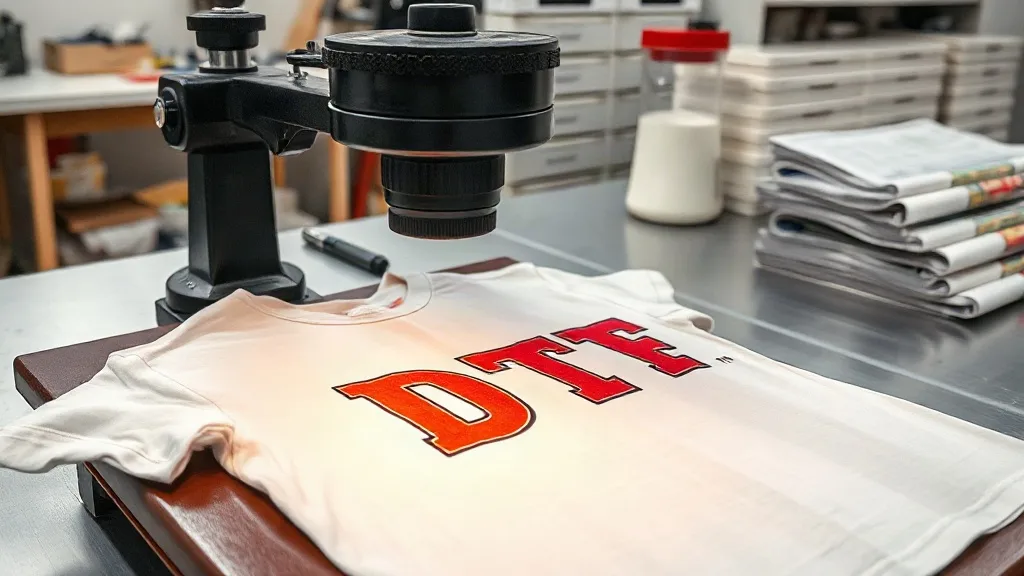
If you've been exploring custom apparel printing, you've likely encountered dtf transfers. This innovative technology is changing the way small businesses and hobbyists approach garment decoration. Unlike traditional methods that require specialized equipment or extensive setup, DTF (Direct to Film) offers a versatile and accessible solution for printing on a wide range of fabrics. In this guide, we'll walk you through the essentials of DTF printing, from understanding the process to achieving professional-quality results.
What Are DTF Transfers?
DTF transfers are printed designs on a special film that can be heat-pressed onto fabrics. The process involves printing your artwork onto a PET film using specialized dtf inks, applying a powder adhesive, and then curing the print. Once cured, the transfer is ready to be applied to a garment using a heat press. The result is a soft, stretchable, and durable print that adheres well to cotton, polyester, blends, and even some synthetics.
What sets DTF apart is its ability to produce vibrant, full-color designs without the need for color separation or pre-treatment of the fabric. This makes it an excellent choice for small batches, personalized items, and complex artwork.
Why Choose DTF Transfers?
There are several reasons why DTF transfers have gained popularity among crafters and professionals alike:
- Versatility: Works on a wide range of materials, including dark and light fabrics, without the need for special coatings.
- Durability: Prints resist cracking, peeling, and fading even after multiple washes.
- Detail: High-resolution prints capture fine lines and gradients with ease.
- Cost-effective: Low setup costs and minimal waste make it ideal for small runs.
- Ease of use: With a heat press and a bit of practice, anyone can achieve professional results.
How to Get Started with DTF Printing
Getting started with DTF printing involves a few key steps. Here's what you need to know.
1. File Preparation
Start with a high-resolution image (300 DPI is recommended). Ensure your design is mirrored before printing, as the film will be flipped when pressed. Most DTF printers come with RIP software that handles this automatically.
2. Printing and Powdering
Print your design onto the DTF film using the appropriate ink set. While the ink is still wet, apply the adhesive powder evenly over the design. Shake off excess powder, then cure the film using a heat press or a dedicated curing oven. The powder melts and forms a flexible adhesive layer.
3. Heat Pressing
Set your heat press to the recommended temperature (usually around 160°C or 320°F) and medium pressure. Place the transfer face down on the garment, cover with a protective sheet, and press for 10-15 seconds. Allow the garment to cool before peeling the film. For best results, use a cold peel for matte finishes or a hot peel for glossy finishes.
Tips for Perfect DTF Transfers
To ensure your DTF transfers look great and last long, keep these tips in mind:
- Pre-press your garment: This removes moisture and wrinkles, ensuring a smooth surface for adhesion.
- Use the right pressure: Too little pressure results in poor adhesion; too much can cause the design to spread.
- Test your settings: Every heat press is different, so do a test press to find the optimal temperature and time.
- Store transfers properly: Keep unused transfers in a cool, dry place away from direct sunlight.
Finding Quality DTF Transfers
If you're not ready to invest in a DTF printer, you can purchase pre-made transfers from reputable suppliers. When searching for dtf transfers near me, look for companies that offer high-quality prints, fast turnaround, and good customer service. Many suppliers provide custom transfer services where you can upload your design and receive ready-to-press transfers.
Common Applications
DTF transfers are used for a variety of items, including t-shirts, hoodies, tote bags, caps, and even shoes. They're particularly popular for team uniforms, promotional merchandise, and personalized gifts. Because DTF prints are stretchable, they work well on performance wear and athletic apparel.
Frequently Asked Questions
Can I use DTF transfers on 100% cotton?
Yes, DTF transfers adhere well to cotton and cotton blends. The key is to use the correct pressing parameters and ensure the fabric is pre-pressed to remove moisture.
How long do DTF transfers last?
With proper application and care, DTF prints can last as long as the garment itself. They resist fading, cracking, and peeling even after repeated washing.
Do I need a special printer for DTF?
Yes, DTF printing requires a printer that uses DTF ink and a film that can withstand the process. However, you can also buy pre-printed transfers from suppliers if you don't want to invest in a printer.
What is the best way to wash a DTF-printed garment?
Turn the garment inside out and machine wash cold. Avoid using bleach or fabric softener. Tumble dry on low or hang dry. Do not iron directly on the print.
DTF transfers offer a fantastic way to create custom apparel with vibrant colors and fine details. Whether you're a DIY enthusiast or a small business owner, this technology provides a reliable and cost-effective solution. With the right knowledge and a bit of practice, you'll be producing professional-quality prints in no time.